

Mayberg Foundation Leadership Explore Jewish Engagement Trends and Opportunities
/At a pivotal time for Jewish communal life, the Mayberg Foundation’s leaders are reflecting not only on increased levels of engagement, but also on how evolving tools and technologies are transforming the way Jews connect, learn, and sustain tradition.
The Surge: Next Steps for Jewish Outreach and Education
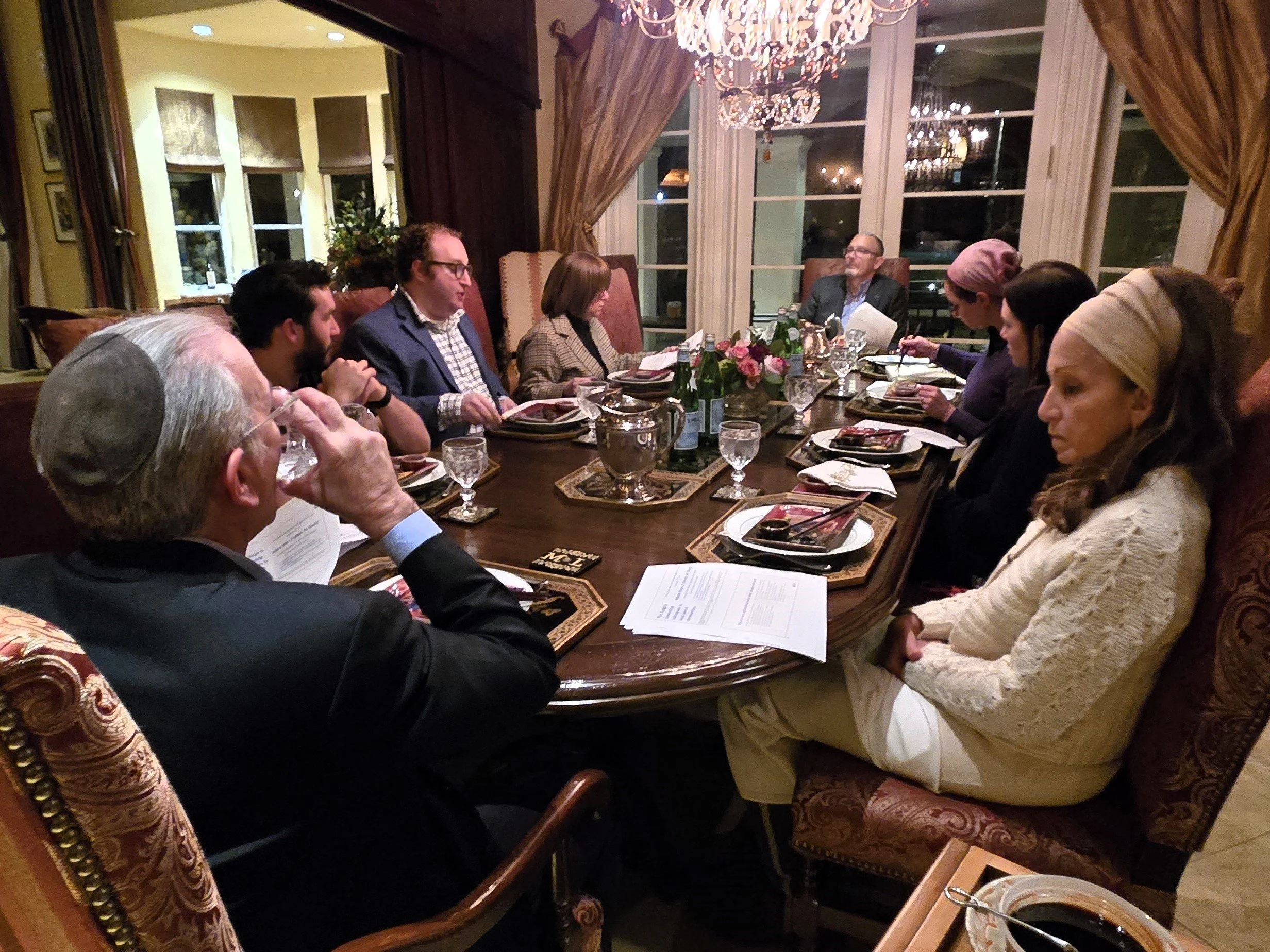
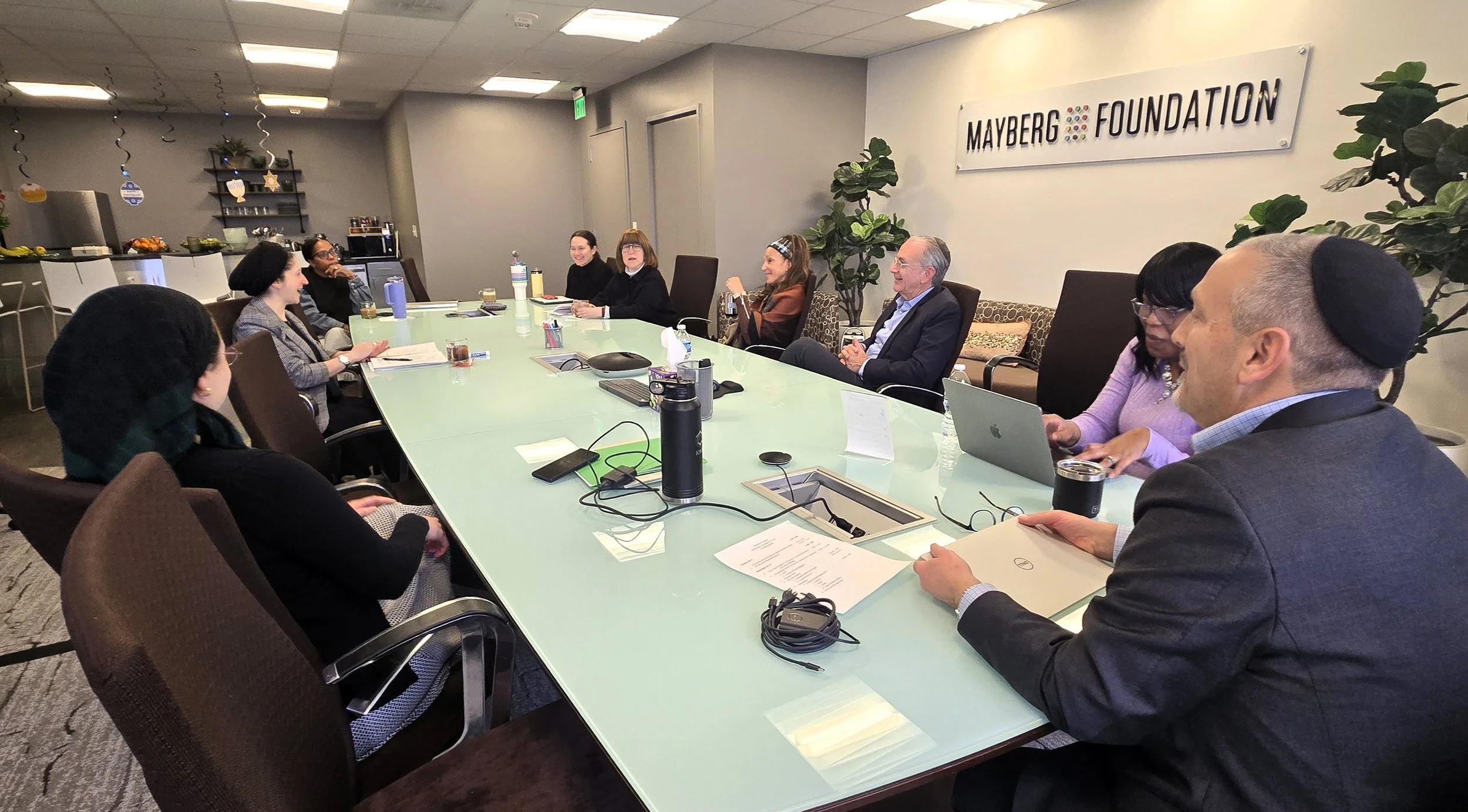
At the Mayberg Foundation’s final board meeting of 2025, the conversation opened with new data on Jewish engagement since October 7th. David Manchester, JFNA’s Director of Community Data and Research Development, presented findings from a two-year research effort showing a marked increase in Jewish involvement—especially in educational and learning programs across all age groups. By March 2024, 43% of respondents reported a heightened connection to Jewish communal life, and 29% said they had deepened their Jewish learning. A year later, those trends proved durable: by March 2025, 72% of those who had become more involved—mostly individuals already active in the community—remained engaged in educational and community activities.
David’s research identified six key outcomes shaping this renewed engagement: Jewish connectivity, Jewish learning and culture, Jewish values, Israel engagement, Jewish peoplehood, and broader Jewish sustainability and welfare. The board then explored how organizations could align their programs with these outcomes, and what these findings might mean for funders looking to support or scale new initiatives. Read more about JFNA’s research findings here
Technology and the Transformation of Torah Learning
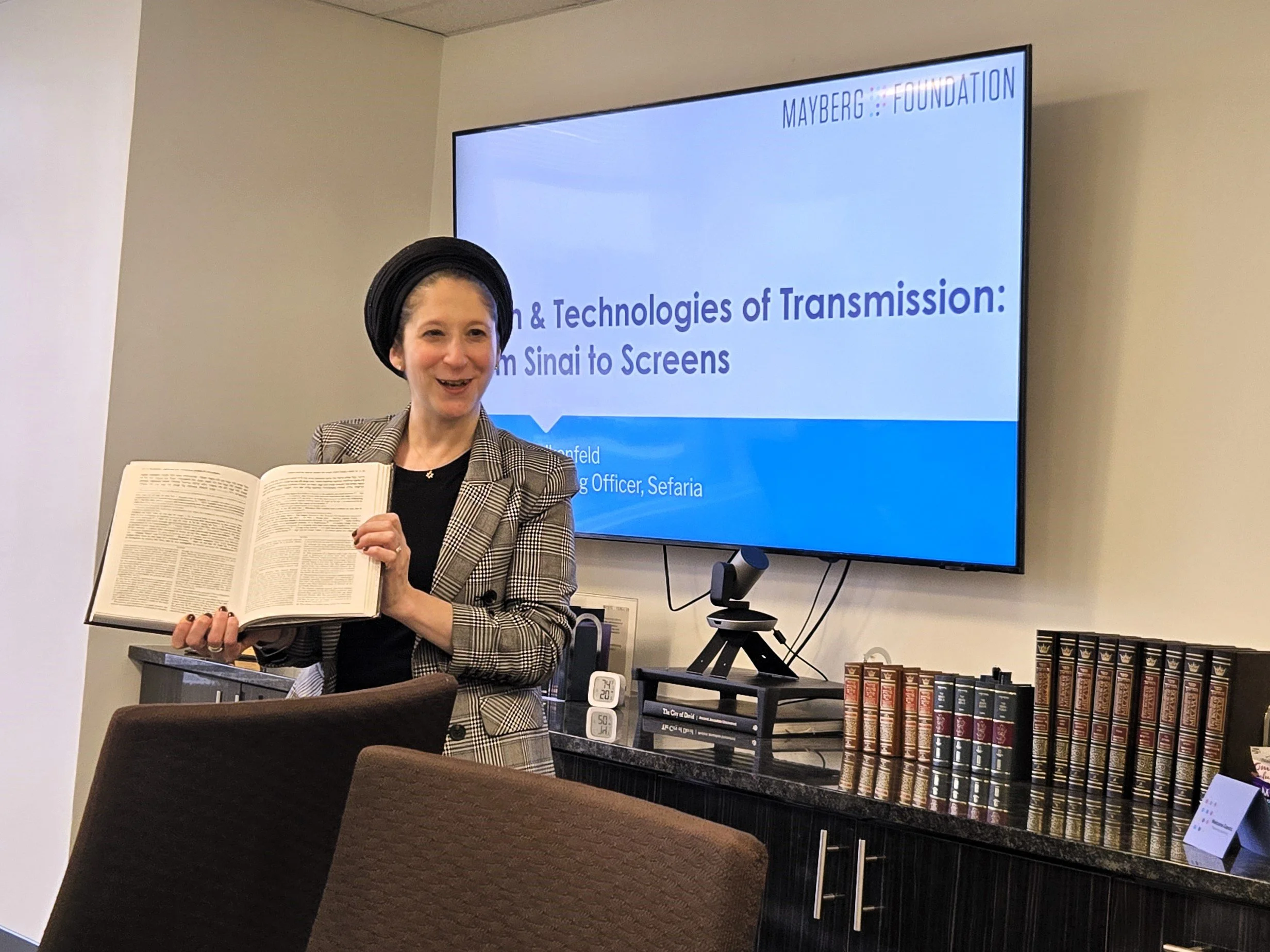
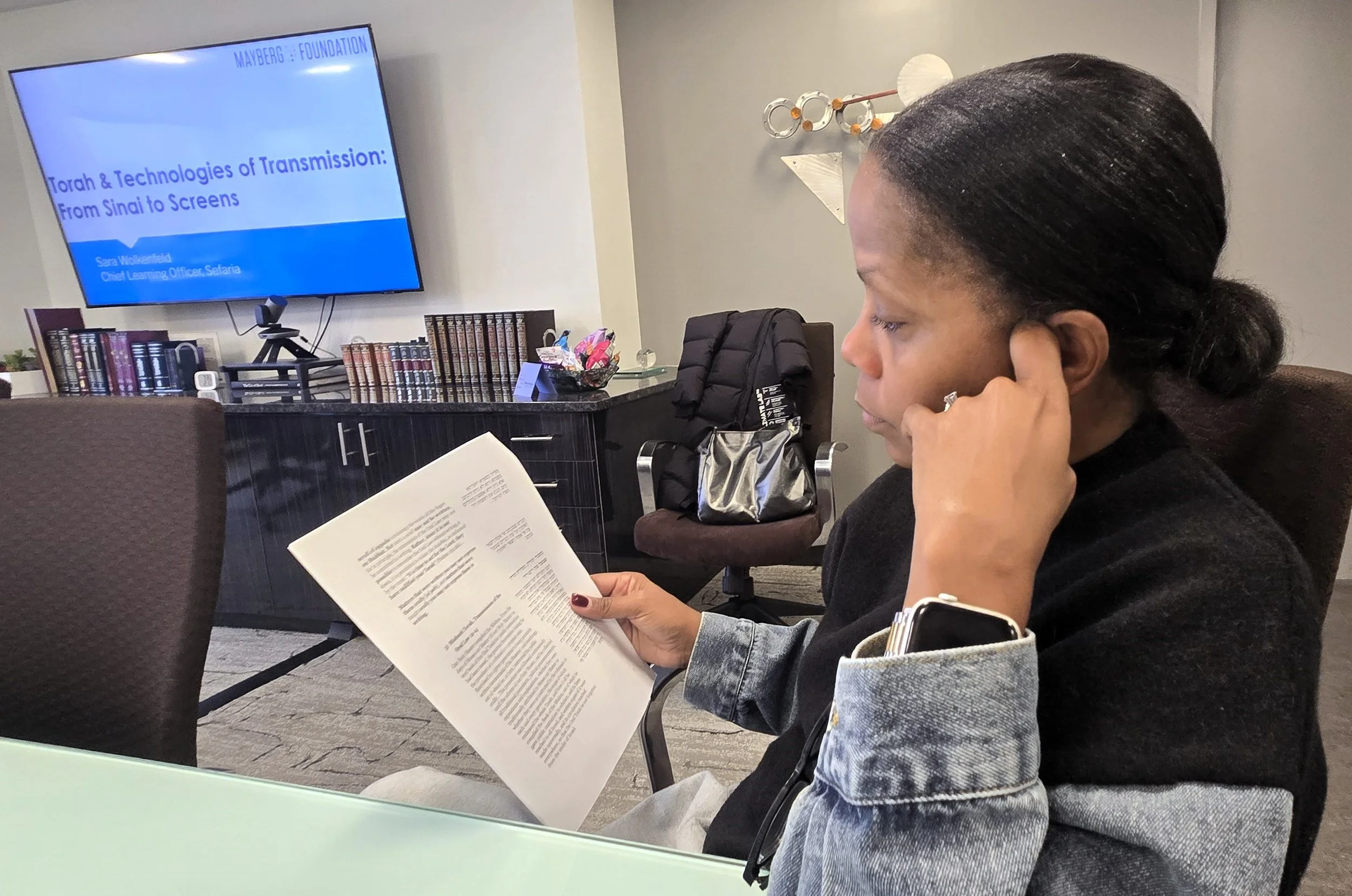
The meeting’s focus then shifted to the role of technology in Jewish life. Sara Wolkenfeld, Chief Learning Officer at Sefaria, led a discussion on how each generation of Jews has weighed the risks and opportunities of new tools for teaching and sharing Torah—from committing the Oral Torah to writing, to leveraging the printing press, computers, and the internet. She described this ongoing process as the evolution “From Sinai to Screens,” and emphasized that each technological advance has sparked debate but also opened new possibilities for learning and Jewish practice—leading to innovations like Sefaria itself.
Sara closed by recalling Rabbi Yitzchak Hutner’s observation that Chanukah celebrates the resilience of the Oral Torah. When the Greeks prohibited Torah study, threatening Jewish continuity, the creation of Chanukah not only helped preserve tradition but expanded it through new practices. In this way, Sara noted, Chanukah can be seen as a model for how Jewish communities sustain tradition: not by resisting change, but by constantly adapting and innovating.
Looking Ahead: Implications for Future Grantmaking
Together, these discussions helped the foundation’s leadership frame their thinking about future investments and develop strategies to refine their grantmaking in the year ahead and beyond.