

Strengthening the Jewish Future: Mayberg Foundation Reflections from the 2026 JFN International Conference
/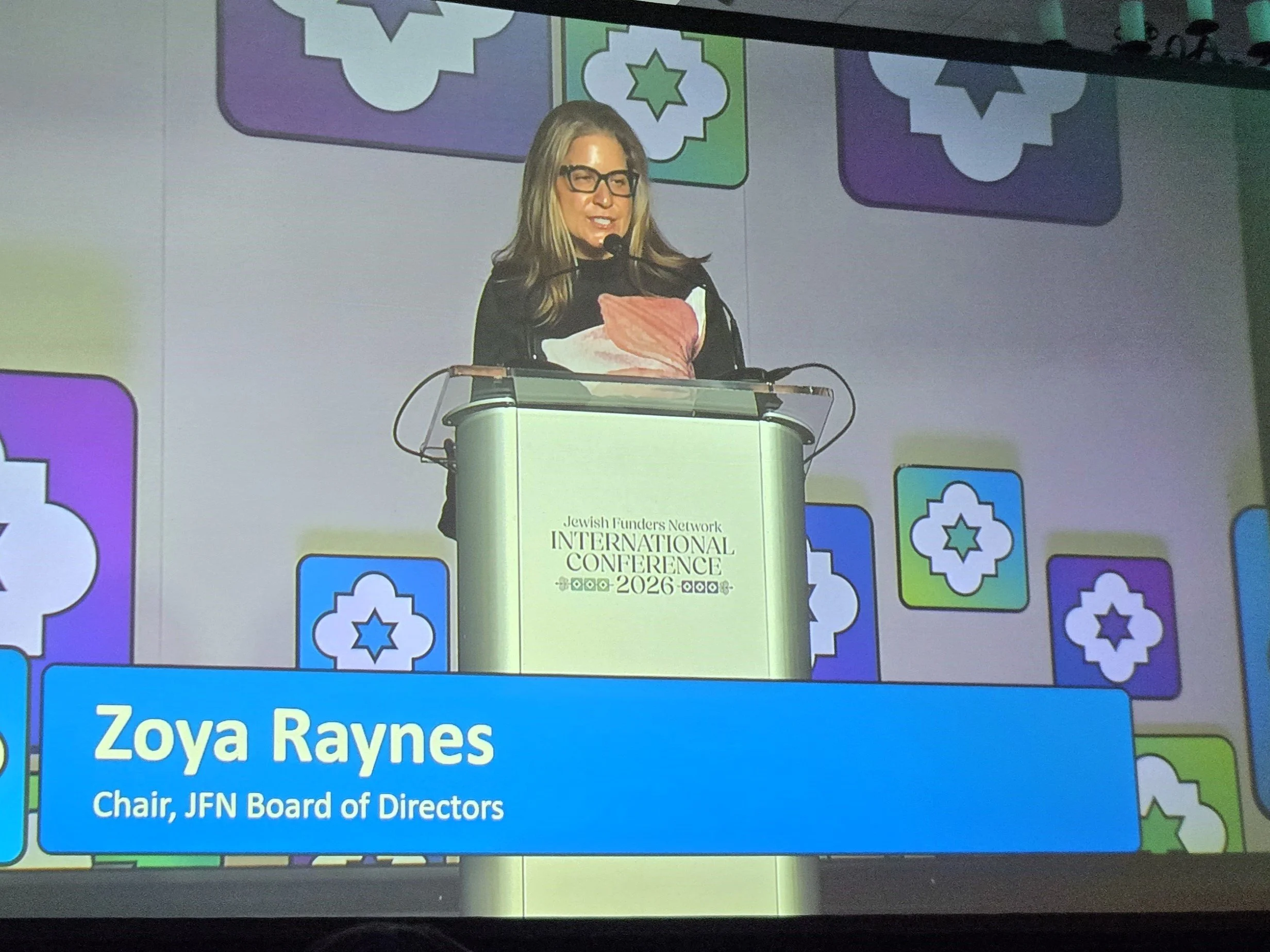
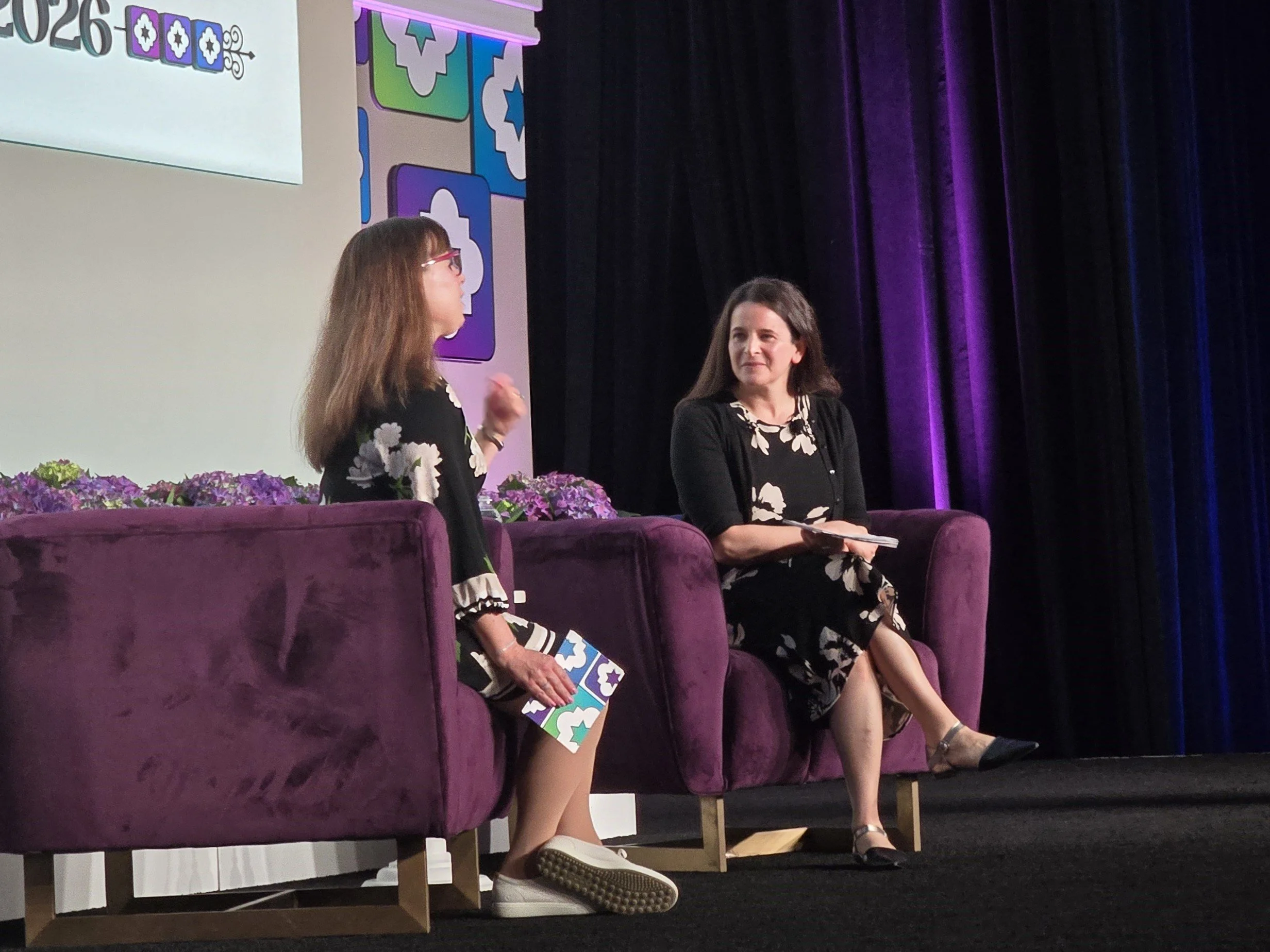
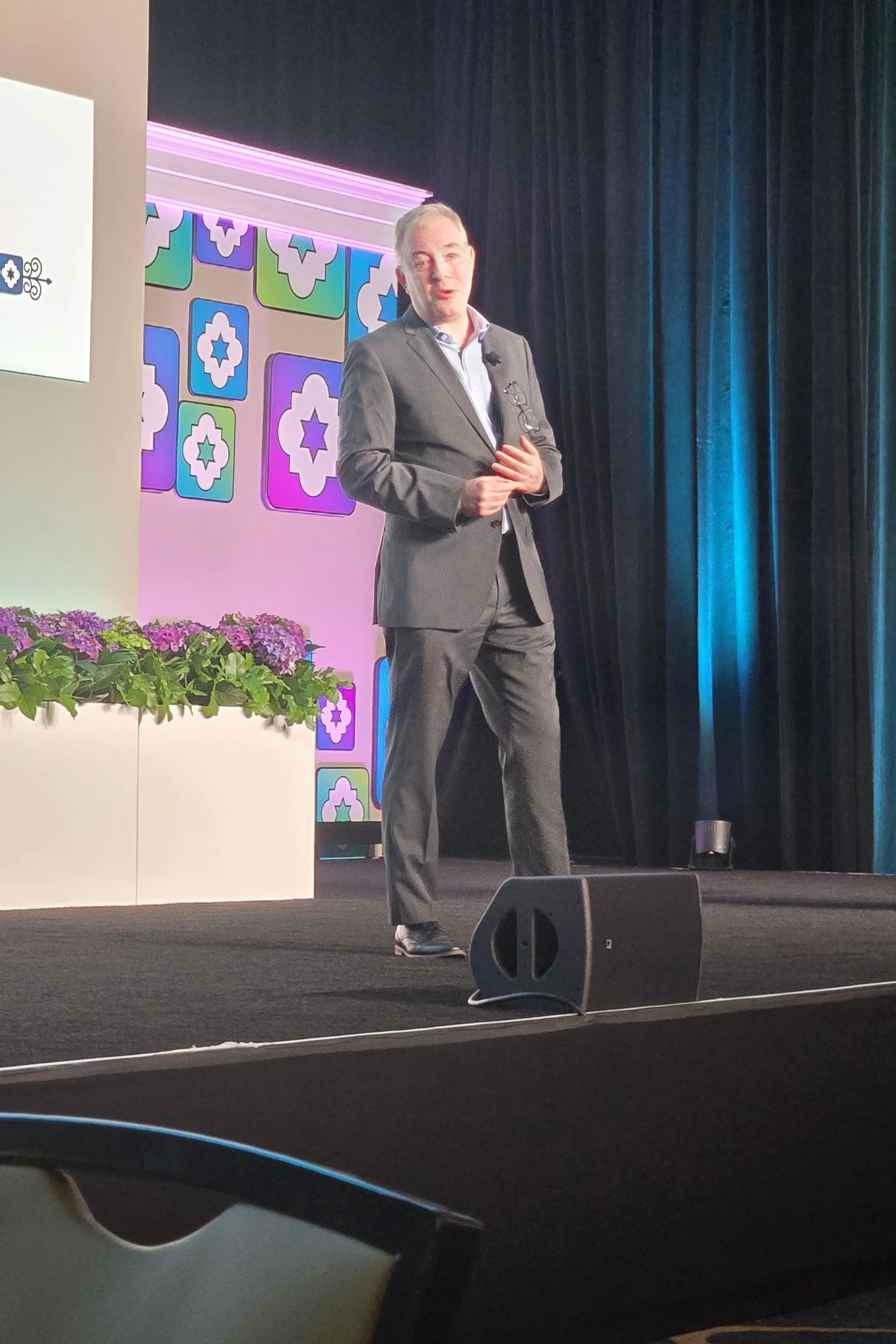
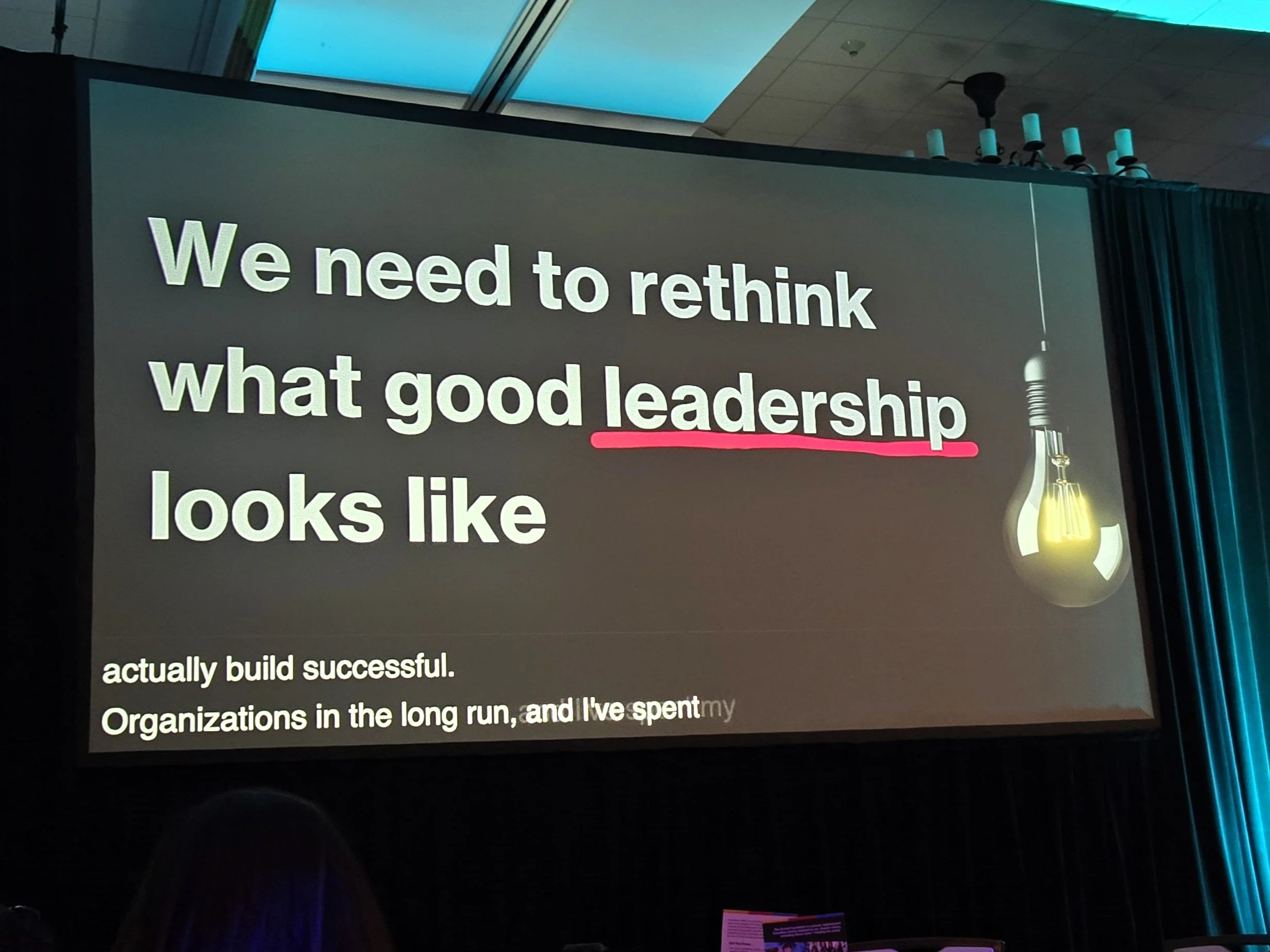
At last week’s 2026 Jewish Funders Network (JFN) International Conference in San Diego, Mayberg Foundation trustees Manette Mayberg and Louis Mayberg, alongside staff members Todd Sukol, Rachel Mohl Abrahams, Amanda Mizrahi, and Rina Schiff, joined philanthropic leaders from across the religious and communal spectrum. Together, conference participants considered the most pressing challenges facing the Jewish world today through the lens of strategic giving.
The conference served as a dynamic forum for the deep, mutual learning and purposeful exploration needed to strengthen the community’s future. Mayberg team members shared their expertise in the fields of Jewish education and engagement through the milestone launch of the Jewish Day School (JDS) Affinity Group and several staff-led workshops.
A Major Milestone: Launching the Jewish Day School Affinity Group
A major milestone for the field was the official launch of the Jewish Day School (JDS) Affinity Group, an initiative spearheaded by Rachel and UnitEd’s Scot Berman in partnership with 13 funding partners. During this working session, participants met in small groups to engage in targeted discussions on critical drivers for the field, including affordability, enrollment, academic excellence, and the teacher talent pipeline. This affinity group creates a dedicated platform for funders to move beyond individual projects toward a collective strategy, ensuring a more resilient foundation for the next generation.
Leading through Systemic Change
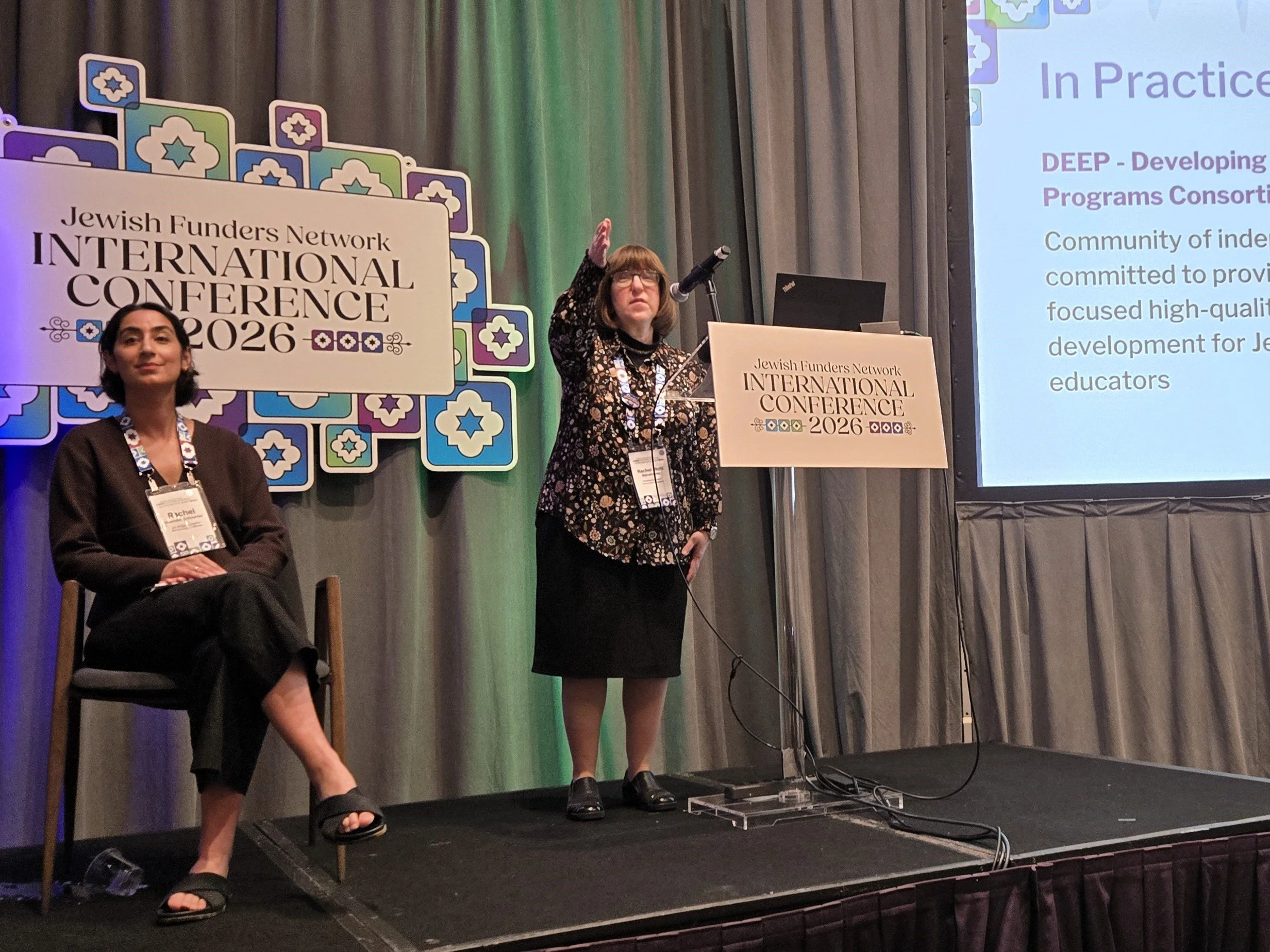
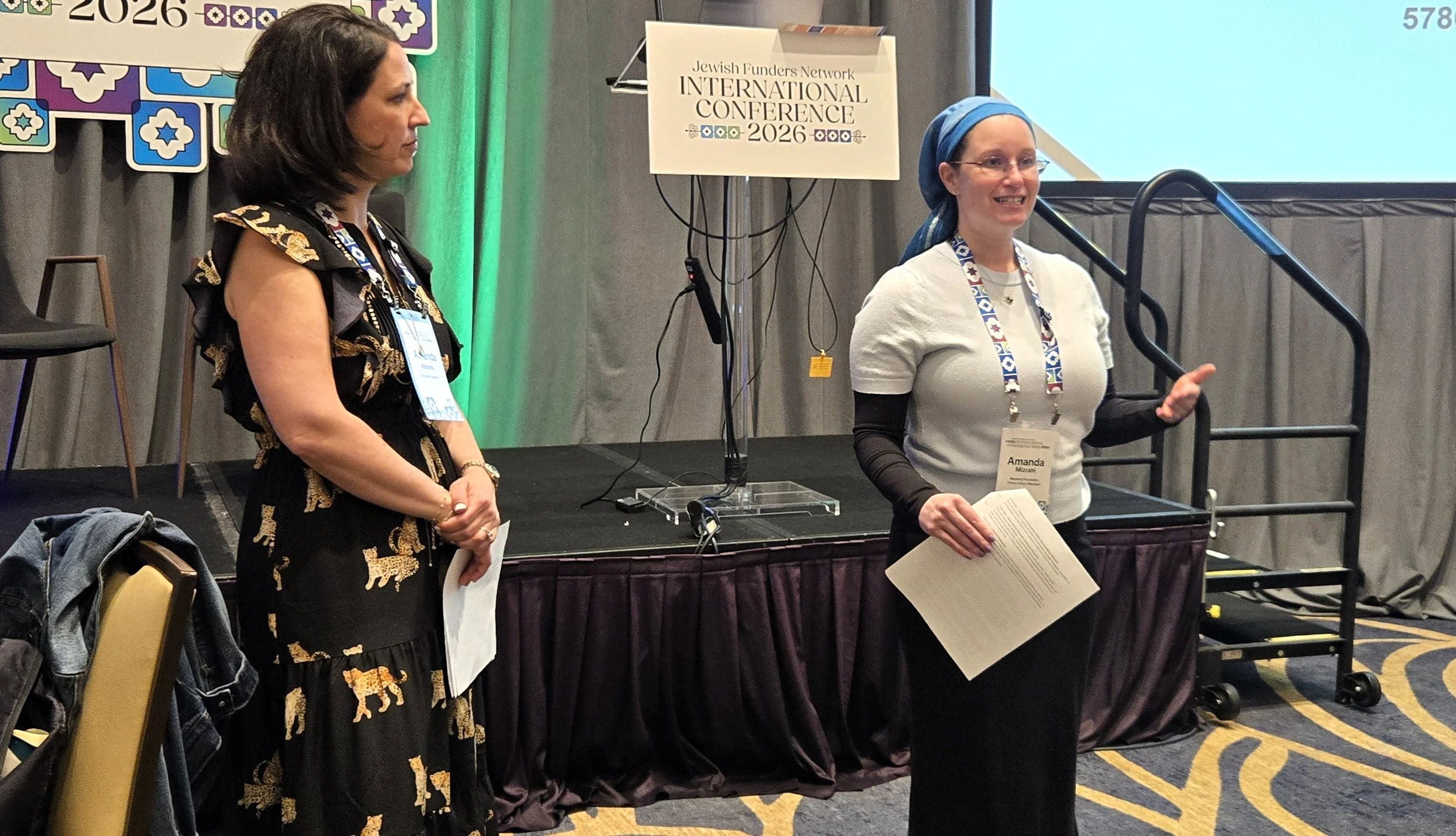
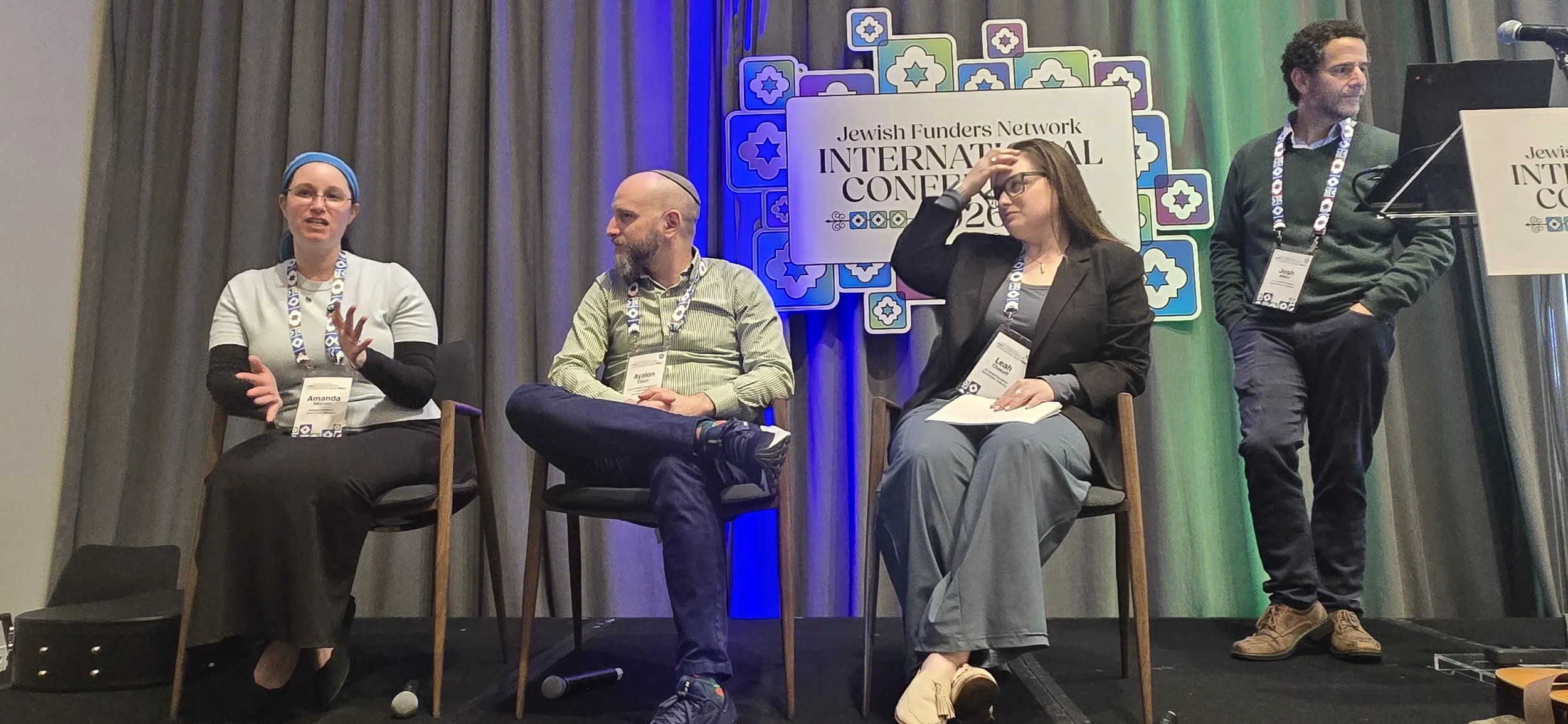
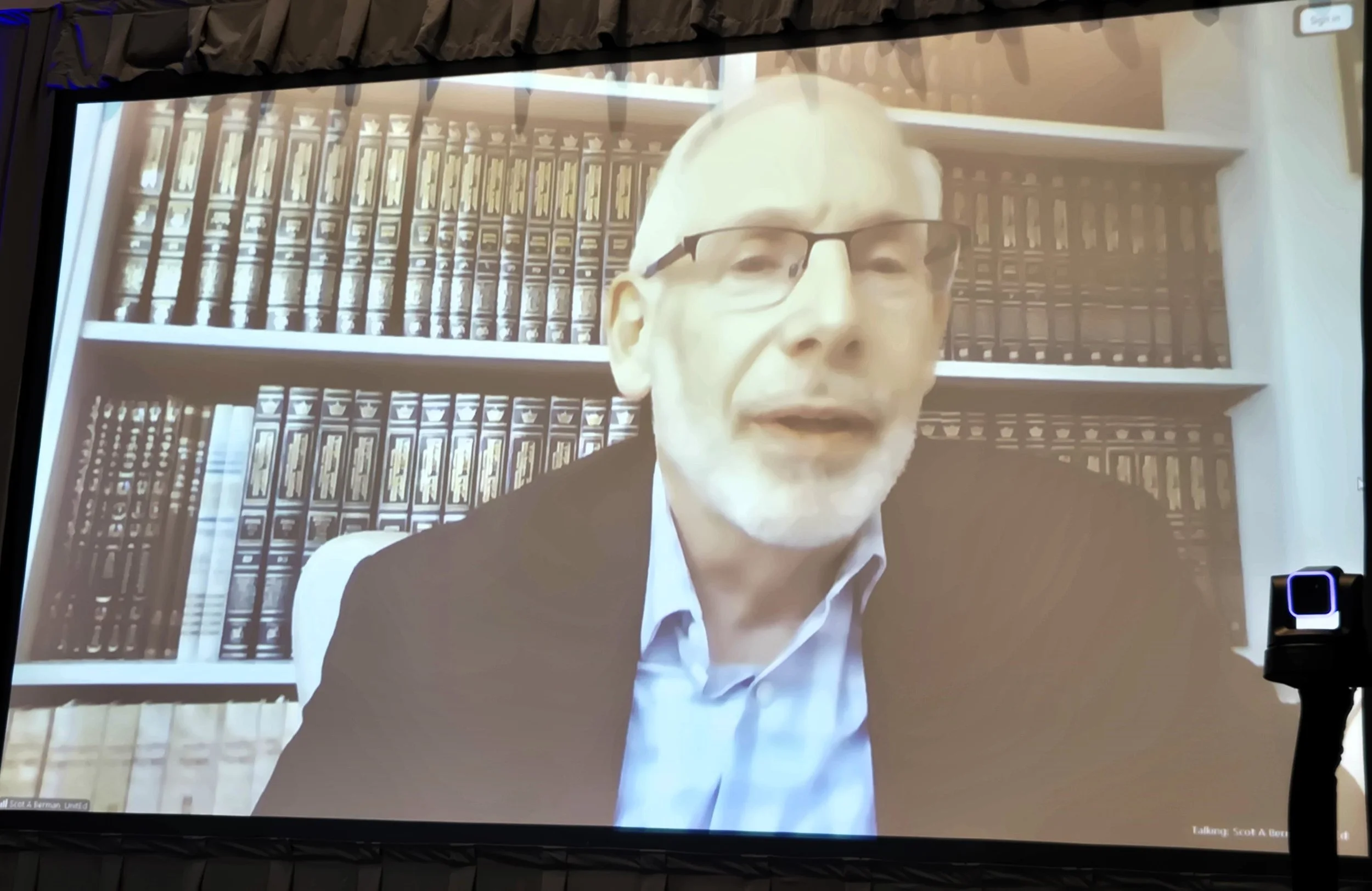
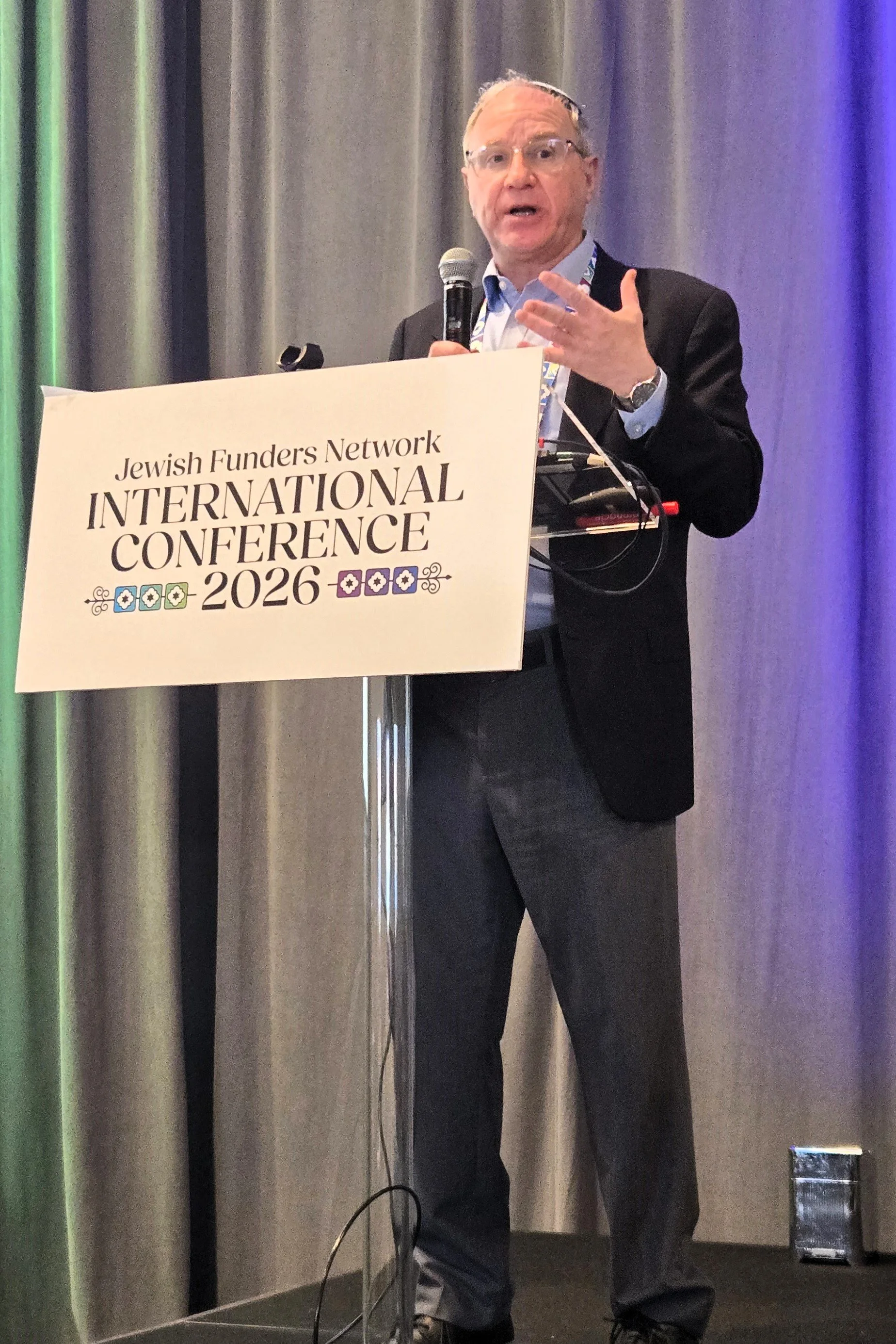
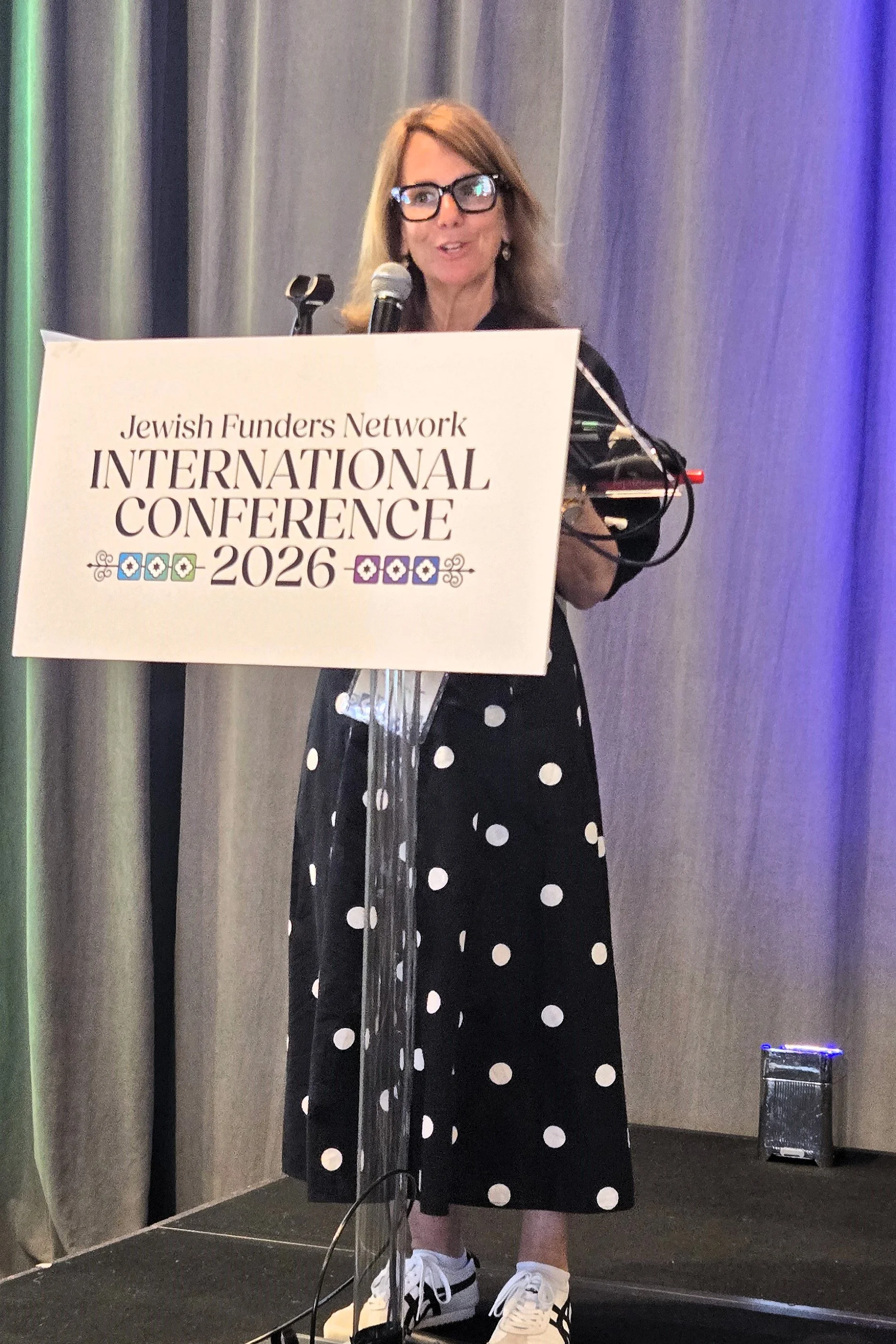
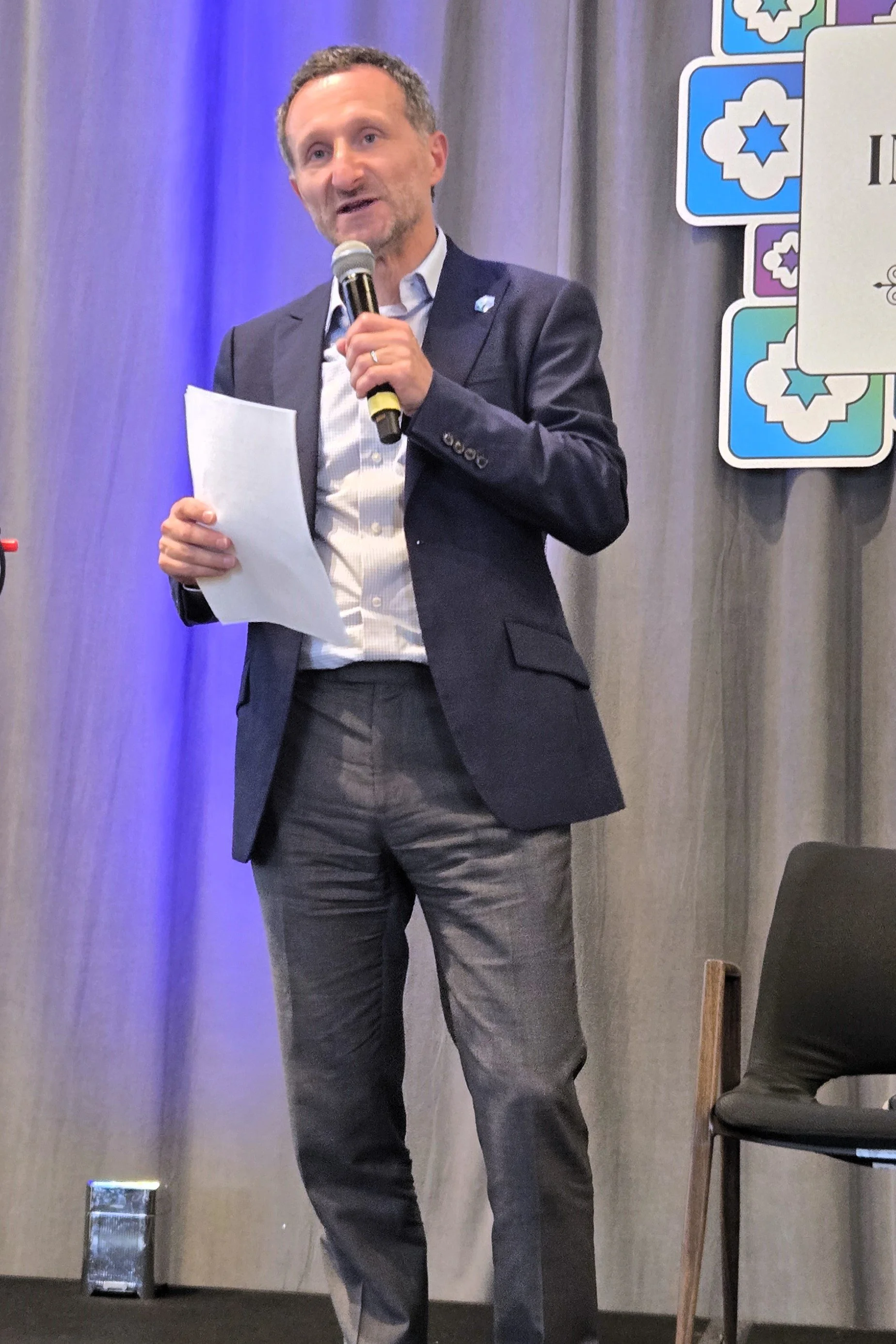
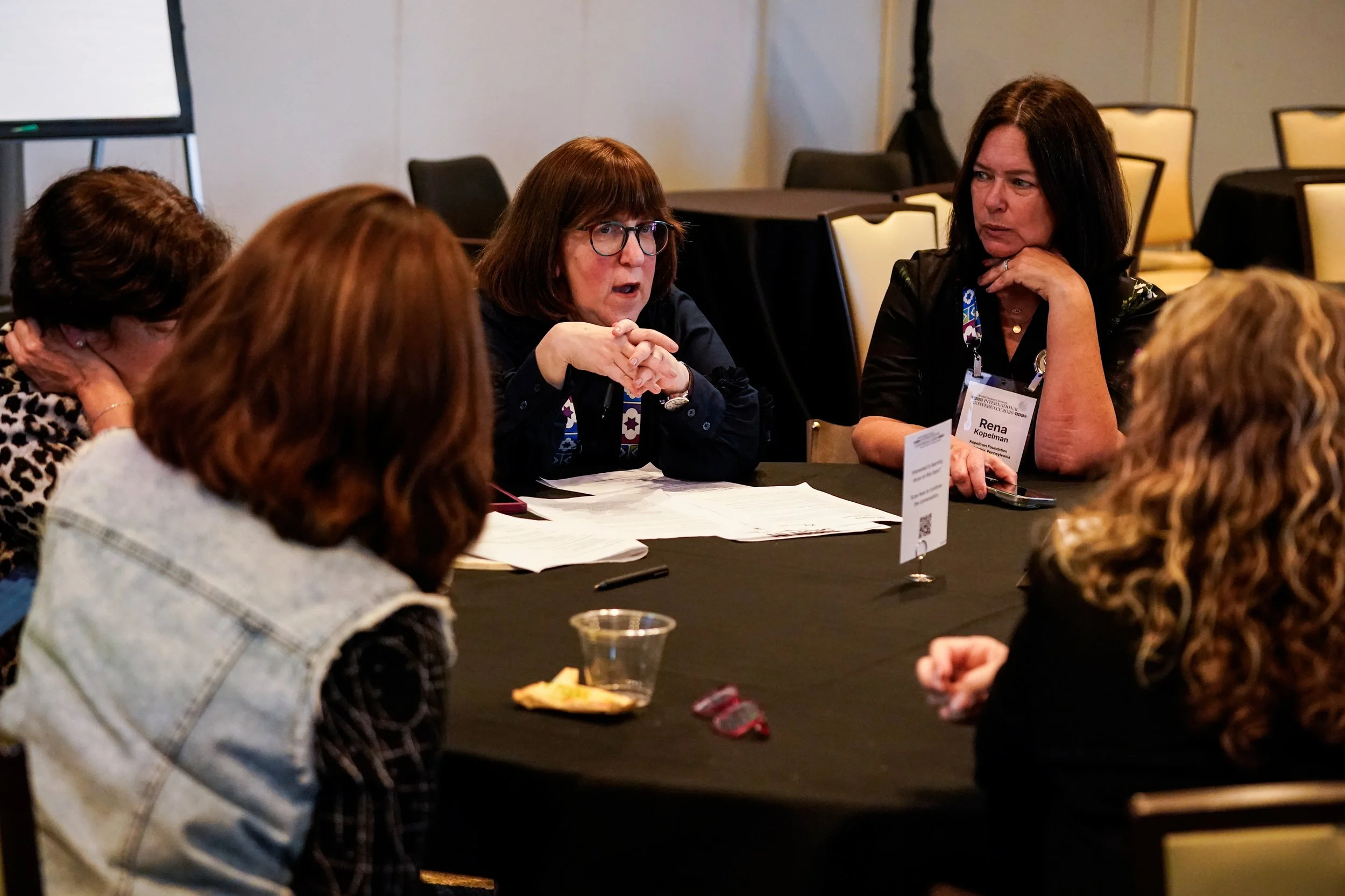
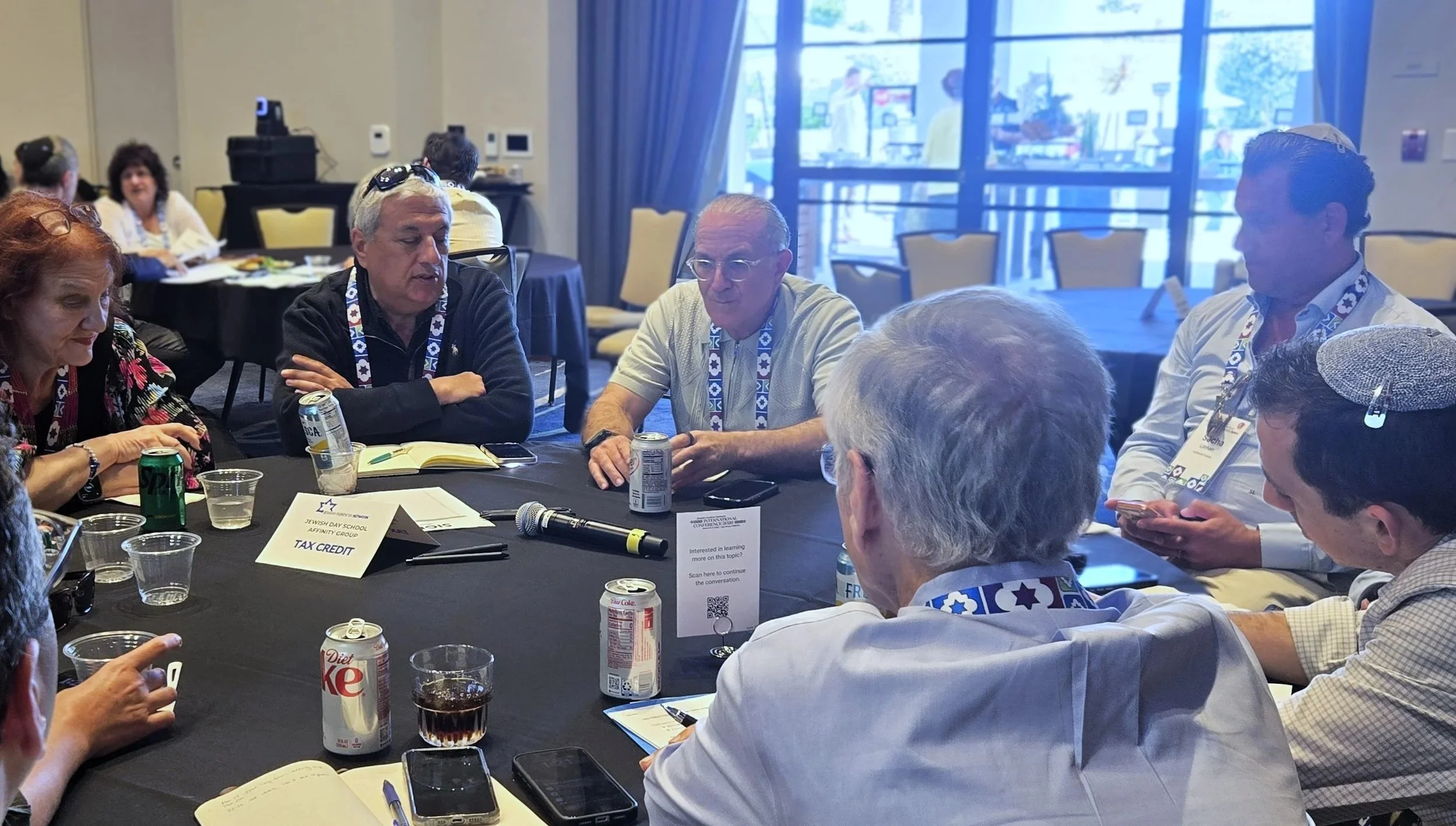
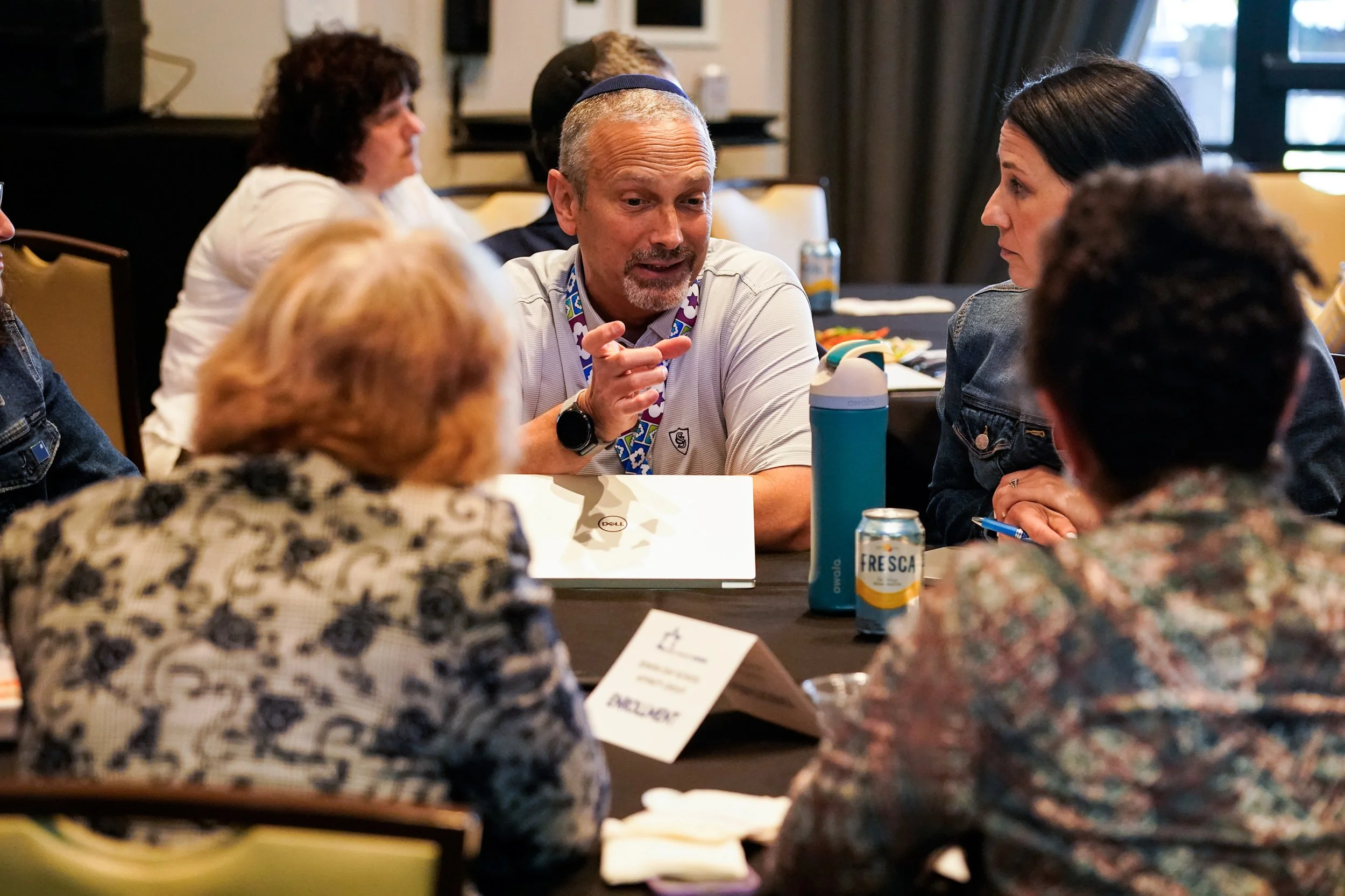
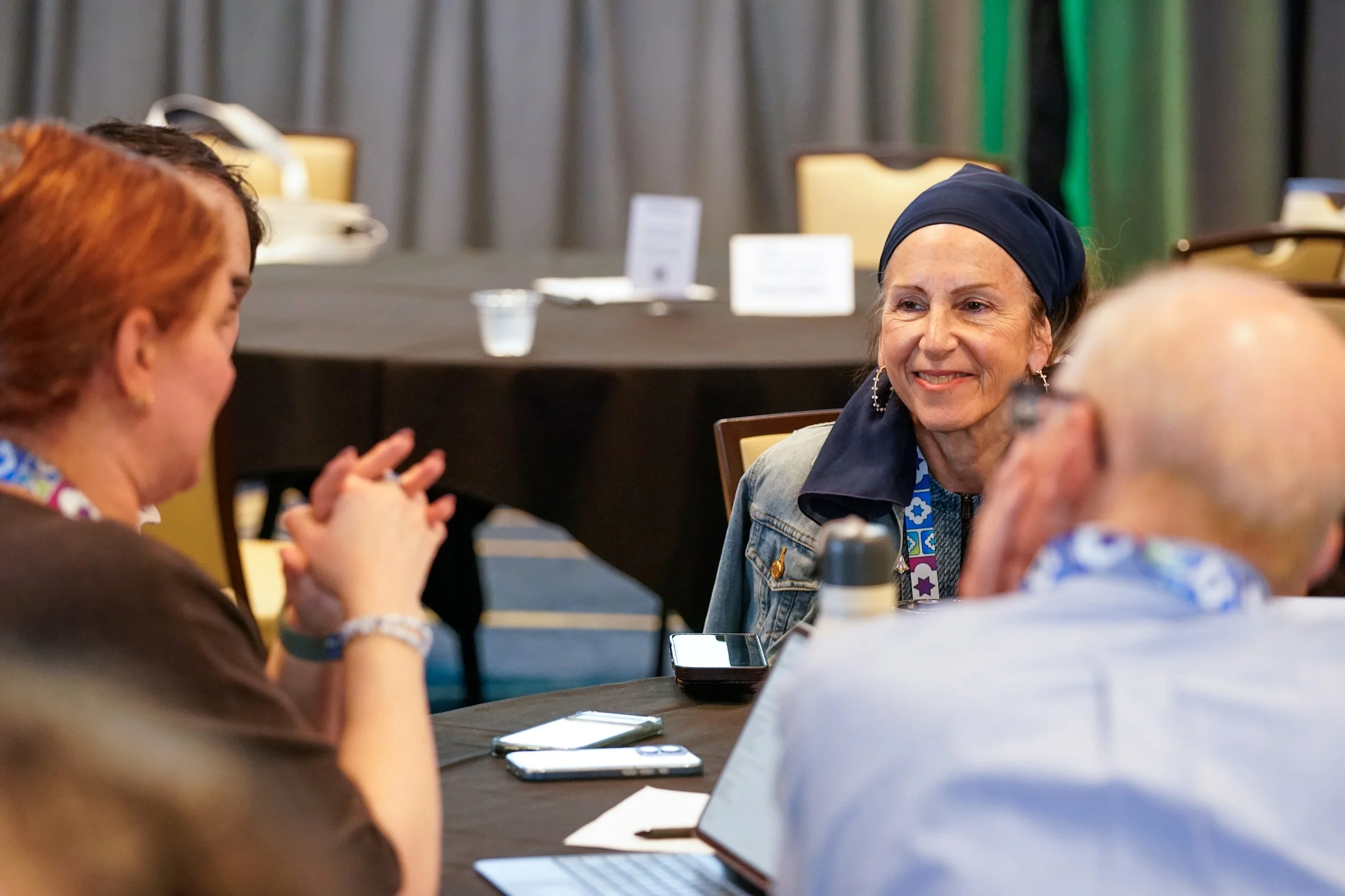
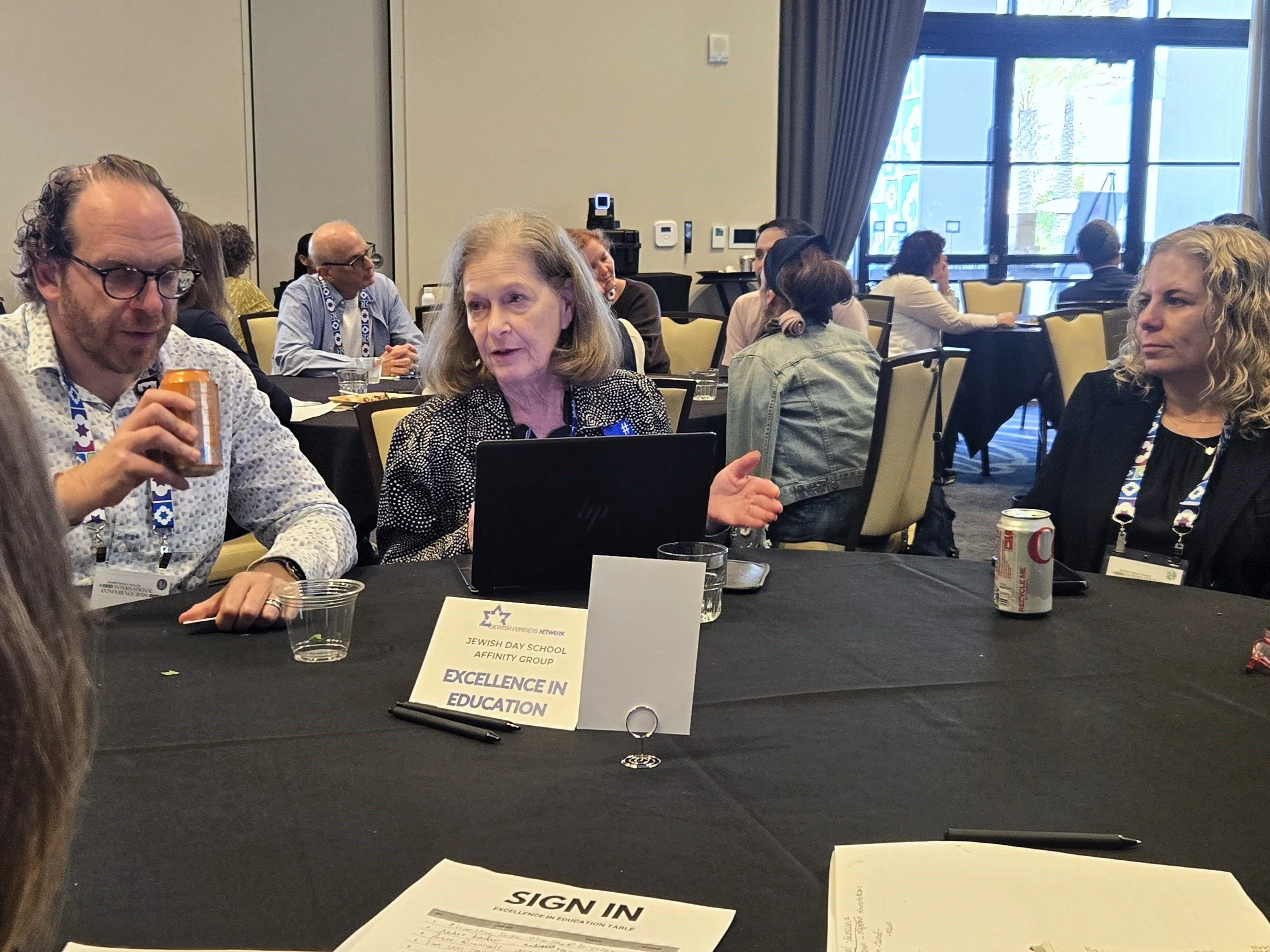
Mayberg Foundation staff led several key sessions focused on practical models for systemic change. Amanda co-led a session on the role of influence when working with living donors and joined a panel of colleagues to examine how foundations can authentically reflect Jewish values and ritual in their daily operations. These sessions highlighted a core Foundation priority: ensuring that a deep, personal connection to authentic Judaism remains at the center of philanthropic work, even when navigating complex organizational structures. Simultaneously, Rachel co-presented a session on the "network advantage," exploring funding strategies designed to transform entire fields of work.
Mayberg team members explored a broad range of content touching on every facet of the Jewish experience, from the deeply personal to the broadly systemic. Plenaries and workshops addressed the immediate need for rebuilding Israel’s land and people following the attacks of October 7th, while other sessions looked decades ahead, inviting funders to design audacious "moonshots" to reinvent communal institutions. From navigating schools in a polarized Israel to honest discussions about lessons learned from philanthropic failure, the conference provided a comprehensive look at the innovation and resilience defining the field today.
Cultivating a Collaborative Ecosystem
Throughout the conference, the trustees and staff prioritized relationship-building, meeting with prospective new partners to discuss potential collaborative opportunities and new partnership models to advance these shared goals. Beyond formal working sessions, the Foundation staff continued building the communal ecosystem through dedicated networking opportunities. Rachel co-hosted a session for the JDS Affinity Group, while Rina co-hosted a gathering for JFN marketing and communications professionals to foster collaboration among those telling the story of Jewish philanthropy.
Key Reflections: Leveraging the "Buzz"
In an in-depth debrief following the conference, Mayberg Foundation team members synthesized their experiences, noting the need to develop "network muscle" to better leverage collective funding. The team noted that by finding kindred spirits and effectively packaging high-demand initiatives, the Foundation and its closest partners can move from being an incubator to a catalyst for systemic change.
There was a strong sense of validation that Jewish education received unprecedented "top billing" as a priority, aligning with the Foundation’s long-standing mission. This feeling of alignment was reinforced by the observation that the five big priorities articulated by JFN president and CEO Andrés Spokoiny—Israel, day schools, political engagement and advocacy, the antisemitism ecosystem, and Jewish meaning—mirror the Foundation’s own strategic direction. Furthermore, the team highlighted a shift in the conference’s tone, noting that the content felt more authentic and deeply rooted in Jewish identity, where the Jewish element felt truly central to the mission.
The team also reflected on the potential of new connections to address critical gaps—such as the teacher pipeline—where national coordination is currently lacking. By turning the current "buzz" surrounding Jewish education into tangible action and leveraging partnerships to reach results far exceeding an individual organization's budget, the Foundation is poised to capitalize on this momentum. The insights and partnerships gained at this year's conference will be vital as the Foundation continues to act as a strategic and pragmatic partner, taking the thoughtful risks necessary to turn collective vision into measurable communal results.