

The State of College Campus Advocacy: A Firsthand Look from Israel on Campus Coalition's National Leadership Summit
/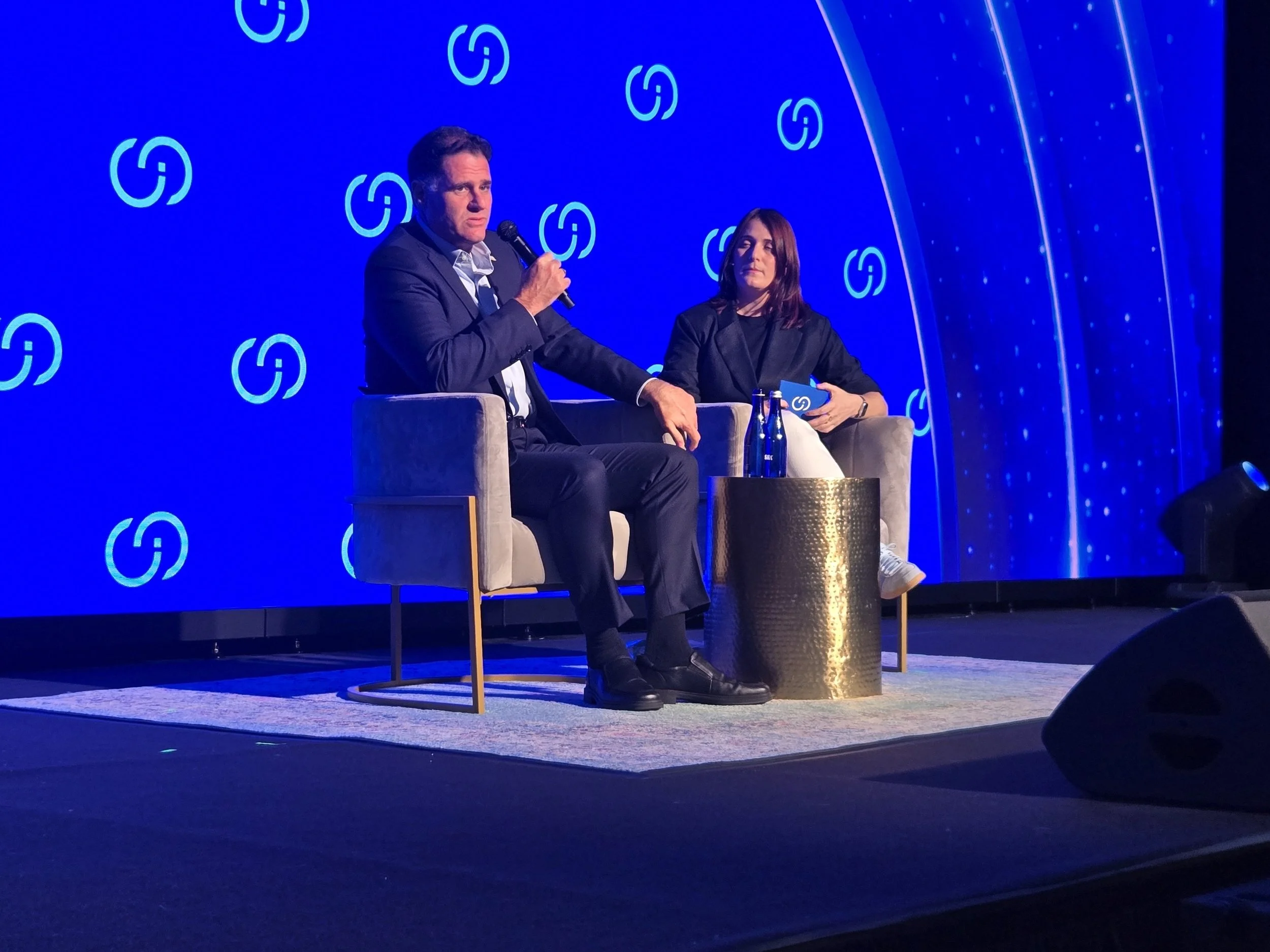
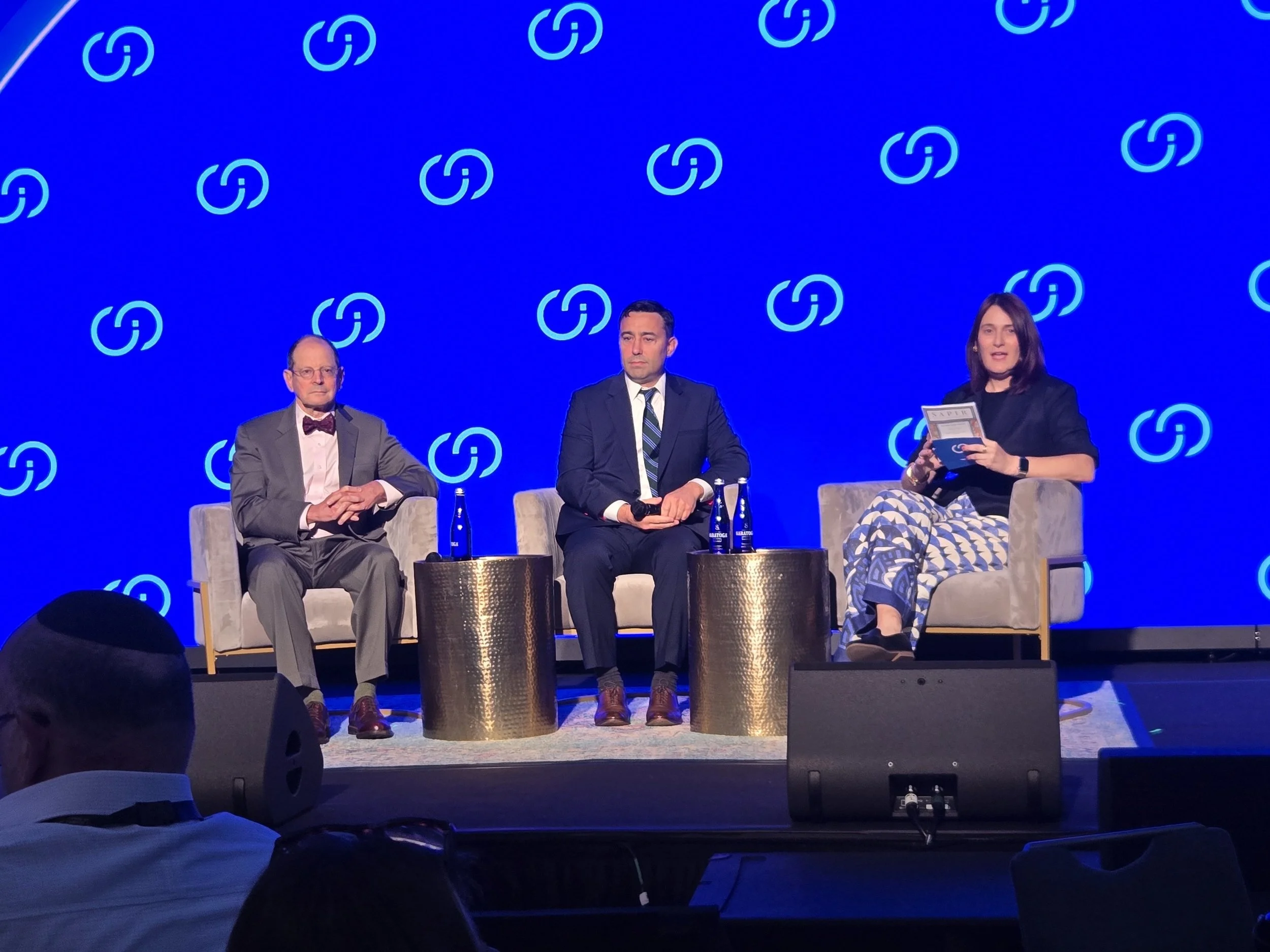
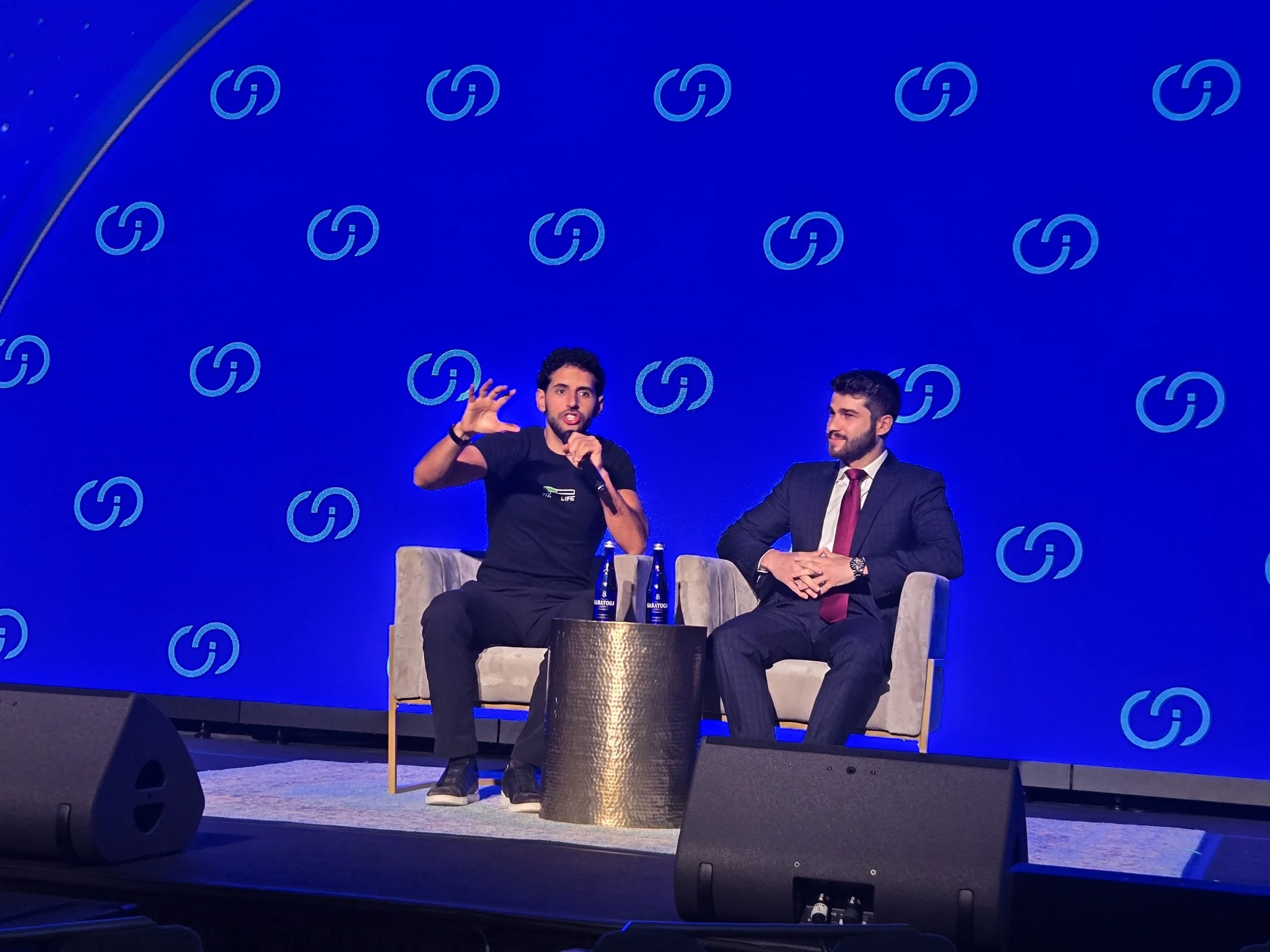

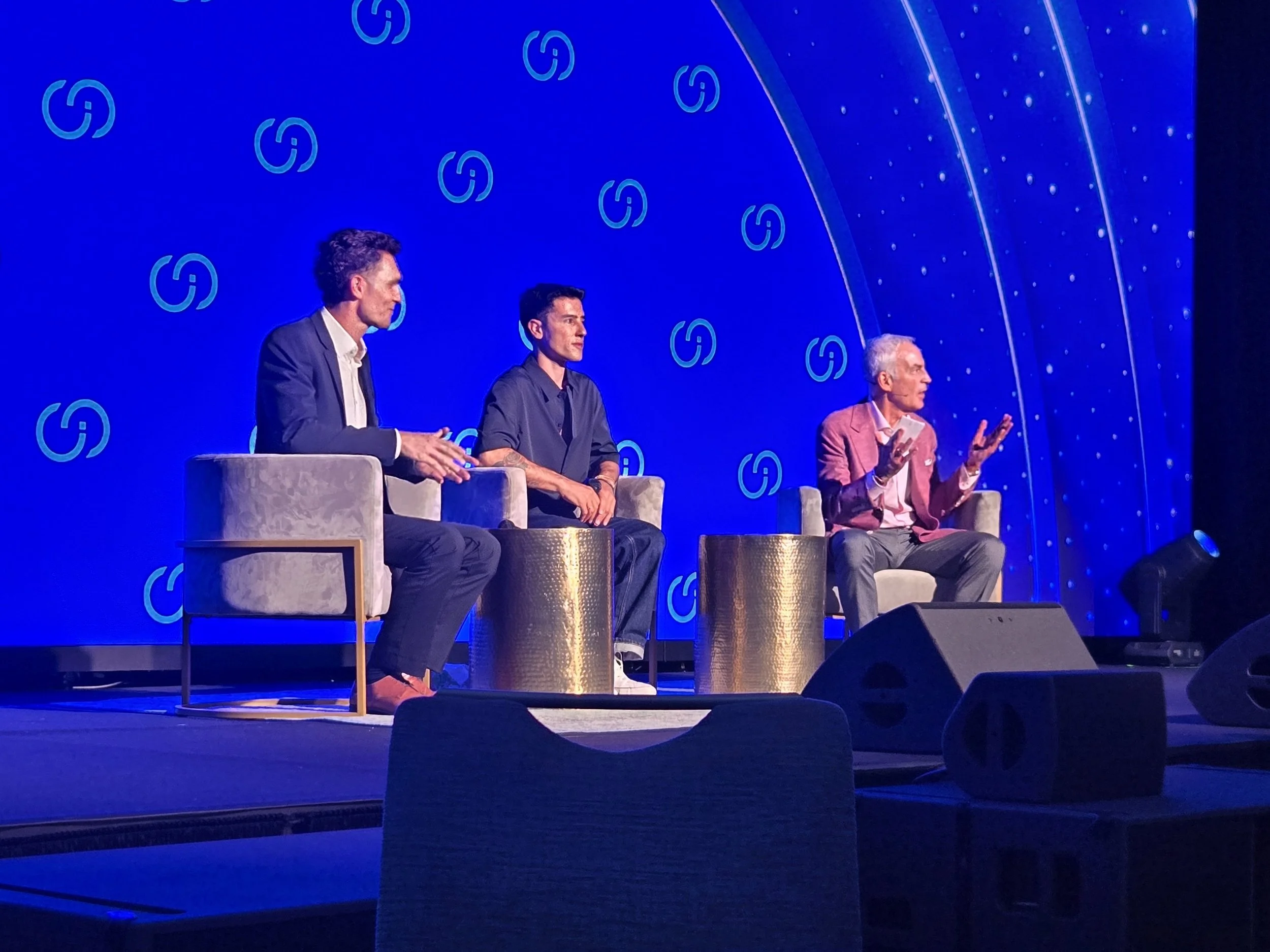

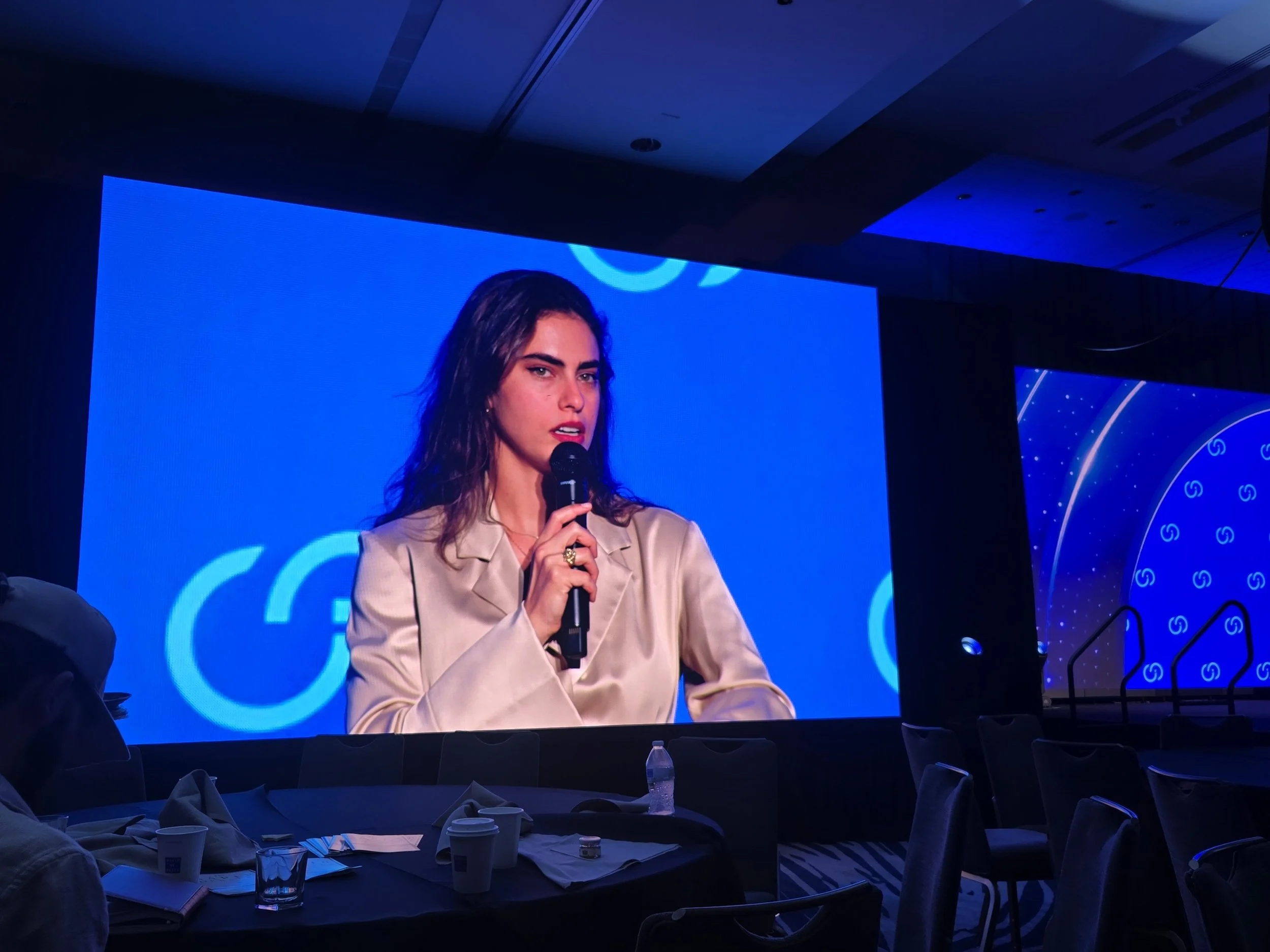

More than 1,300 students, faculty, and field professionals gathered at the Israel on Campus Coalition (ICC) National Leadership Summit last week in Washington, DC, mobilized by the conference's theme: "American. Zionist. Proud." The event featured an expansive agenda addressing high-level strategic topics, including Middle East security, information warfare, AI, and legal strategies to combat anti-Jew hatred on college campuses.
Mayberg Foundation Senior Program Officer Naftali Ejdelman, who attended the gathering at the encouragement of rising trustee David Mayberg, shared his reflections on his experience at the summit. “The conference allowed me to observe the broader dynamics across the space and connect with colleagues from across the field, which will be helpful as we work to hone our strategy for our advocacy portfolio." Among those colleagues were representatives from other Jewish funding partners similarly engaged in strengthening the broader campus ecosystem, including the the Aronov Foundation, the Koret Foundation, the Maimonides Fund, The Marcus Foundation, The Paul E. Singer Foundation, and Schusterman Family Philanthropies.
Naftali noted a clear shift within ICC's agenda toward electoral politics and bipartisan political engagement. He observed that alongside ongoing campus-focused work, “There is an intentional emphasis on engaging political candidates across both sides of the aisle to protect long-term interests.” The event featured high-profile speakers such as former Israeli Minister of Strategic Affairs and Ambassador Ron Dermer, former Israeli Defense Minister Yoav Gallant, Senator John Fetterman, Representative Elise Stefanik, and senior officials from the U.S. Department of Education, as well as renowned journalists, authors, athletes, artists, and public intellectuals. Naftali also noted the growing integration of faculty into the ICC network through Mayberg Foundation grantee Academic Engagement Network (AEN), demonstrating broader efforts to support both students and educators in navigating a changed campus environment.
Naftali was profoundly moved by the energy of the participants, one-third of whom were not Jewish according to conference organizers. "Beyond the policy discussions and strategic insights, what truly stood out was seeing hundreds of Jewish and non-Jewish young adults stand shoulder to shoulder, unapologetically championing Israel both on their campuses and in the civic arena.”
For more detailed coverage of the conference's content, read these articles from Jewish Insider: