

Teaching Sacred Texts, Transforming Jewish Day Schools: Three Years of Standards-Based Learning in Action
/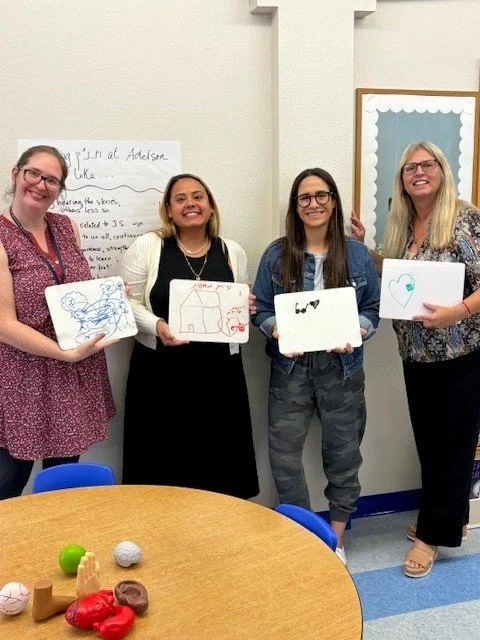
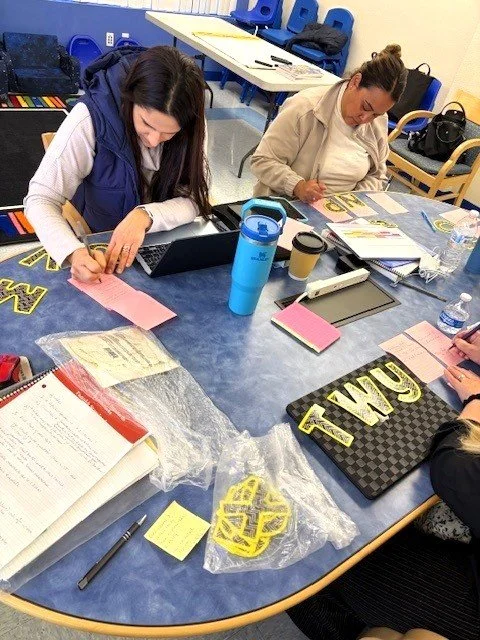
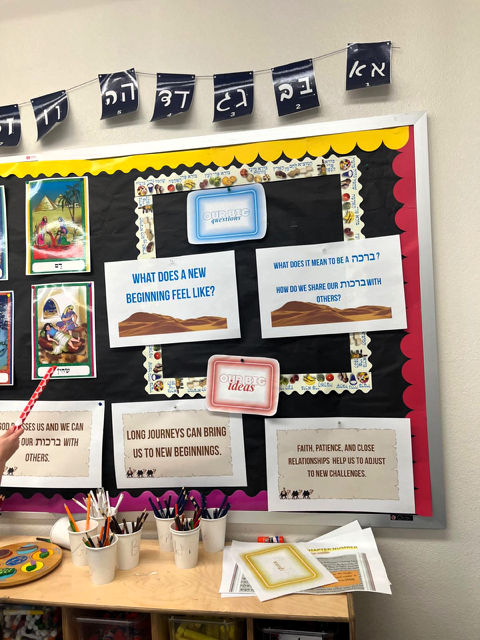
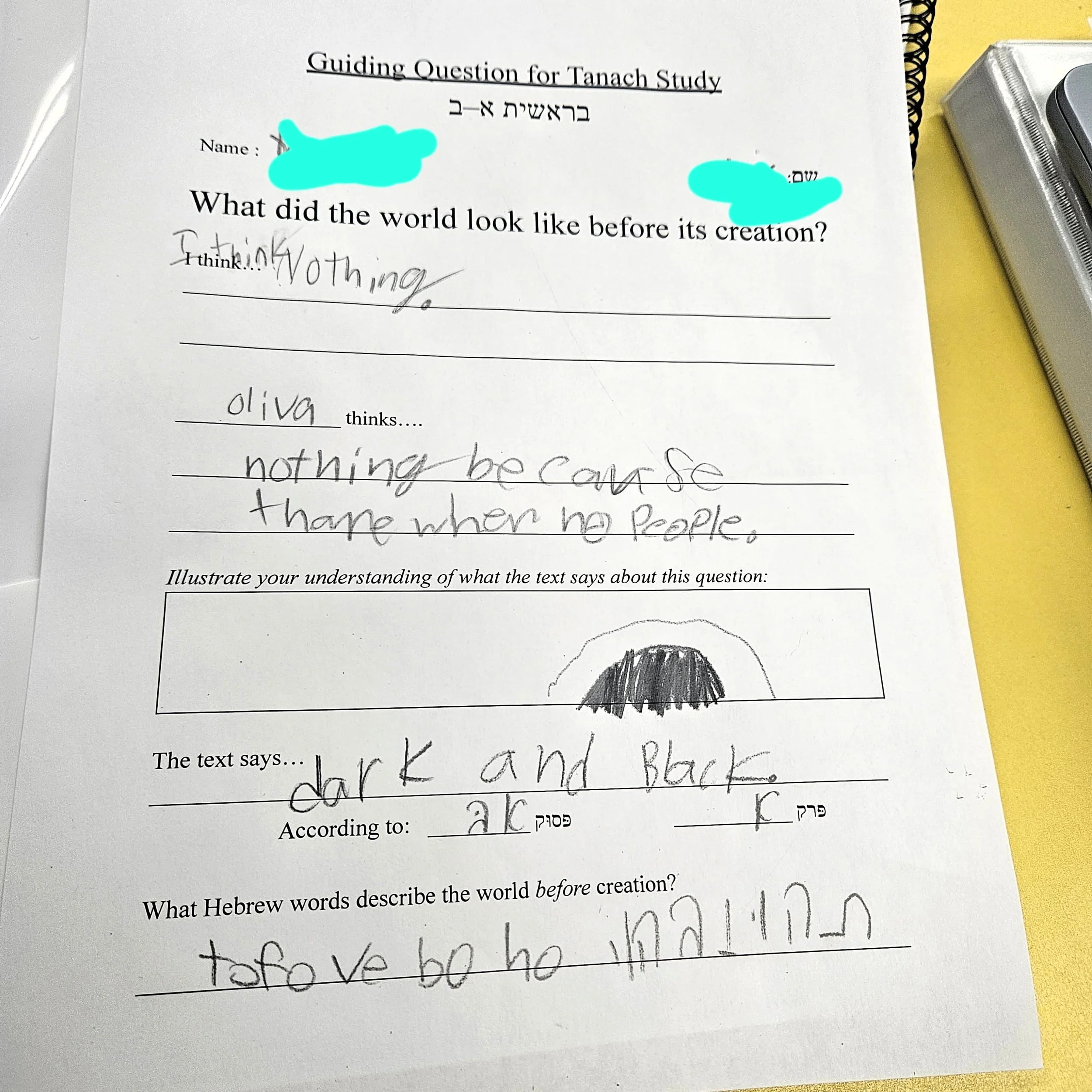

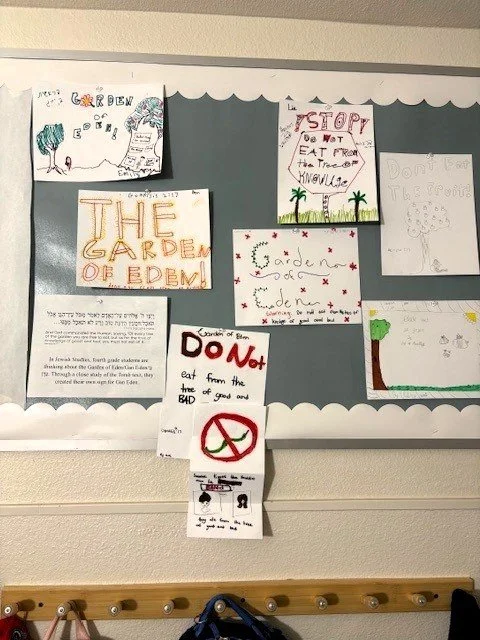
The Jewish Day School Standards and Benchmarks Project (JDSS&B) has made significant impact on Jewish day schools across North America. Thanks to a three-year grant from the Mayberg Foundation, JDSS&B helped transform the teaching and learning of sacred texts, upgrading instructional leadership practices, and enriching Jewish studies curriculum.
Founded in 2003 and based at the William Davidson Graduate School of Jewish Education at the Jewish Theological Seminary, JDSS&B has been a leader in teaching teams of Tanakh and Rabbinics faculty a method of instruction that promotes meaning-making in the study of Jewish text. Through the use of Big Ideas and Essential Questions, core concepts from the Understanding by Design framework (Wiggins & McTighe), teachers identify the core, lasting takeaways they want students to absorb from a Jewish text (the Big Idea), then reframe it as an engaging, debatable question (the Essential Question) that sparks curiosity about Jewish texts and ideas. "This approach promotes a stronger connection to Judaism by helping students internalize the core concepts and values that guide their personal lives," said Rachel Abrahams, Senior Advisor for Education Grants and Programs at The Mayberg Foundation.
Three Years of Reach and Depth
Over the past three years, the project team, led by Cindy Reich and Aviva Silverman, worked with 23 day schools spanning a wide range of denominations, student ages, locations, and school sizes. In that time, the project:
Provided 39 days of in-person professional development
Delivered roughly 492 professional development engagements and/or coaching hours
Recruited 7 schools from smaller Jewish communities, extending the project's reach beyond major Jewish population centers
In several cases, the project extended and deepened a school's outcomes by working with them for two or even three years.
From Curriculum Design to Classroom Culture
Participating schools developed their Jewish studies scope and sequence, learned to design and implement standards-based curriculum units, honed instructional leadership skills, and strengthened their pedagogic repertoires for teaching sacred texts. Through this high-quality professional development (HQPD) with both teachers and Jewish studies leaders, schools created or deepened collaborative cultures among faculty, and Jewish studies leaders built lasting skills for coaching and mentoring their own teams. Together, these accomplishments helped schools bring the teaching and learning of Jewish studies into closer alignment with their institutional missions.
"This was a tremendous help toward framing my vision for our school's Judaic curriculum. The work highlighted exactly where my teachers needed support, while simultaneously offering them some of that support… By the end of the year, the amount of text and Torah learning our students were familiar with was exponentially greater than any previous year," said Rabbi Feivel Rubinstein, Director of Jewish Life & Learning at Ann & Nate Levine Academy. Dina Rudaizky, Director of Jewish Life and Learning, Lower School at The Adelson School, echoed that impact: "The intensive work we accomplished during the on-site visits was a spark that started a fire… This shared work gives me confidence that we are building a consistent instructional language across classrooms, cultivating critical-thinking skills and deeper engagement with students' learning."
Looking Ahead
Aviva Silverman is leading JDSS&B into the 2026–2027 school year, expanding work with alumni schools. A new chapter is also beginning: the project will coach, mentor, and supervise three current master's degree students at the William Davidson Graduate School of Jewish Education as they complete their field practica, helping grow the next generation of leaders in Jewish education.