

The STa"M Project (STAMP) Brings STa"M Training and Certification to the Johannesburg Jewish Community
/

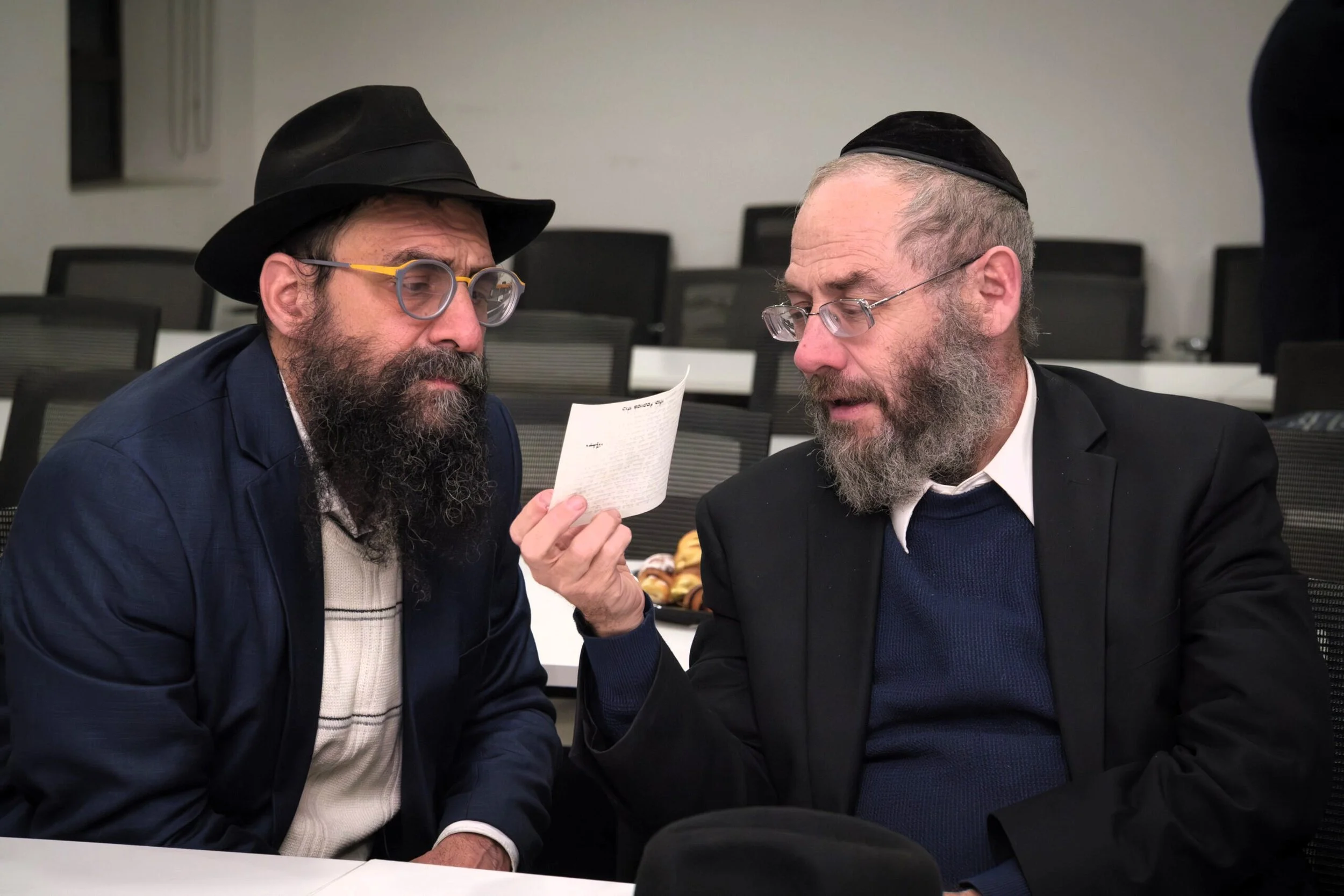
Like many Jewish communities around the world, the sofrim (scribes) and magihim (scroll-checkers) of Johannesburg, South Africa have long lacked the support they needed: a rabbi to turn to with questions, a clear certification path, an easy way to confirm their STa"M items — Sifrei Torah, Tefillin, Mezuzot, and Megillot — met halachic (Jewish law) standards, and ongoing professional development for sofrim and magihim to help them improve their STa”M writing and checking quality. That began to change when the Beis Din of Johannesburg, recognizing the gap, reached out to Rabbi Don Bricker, a STAMP rabbinic authority and South African native. Months of Zoom calls followed.
"STa"M is central to Jewish life, but the field has long lacked consistent oversight — a gap STAMP was founded to fill," said Rabbi Avraham Yechezkel Lessin, director of The STa"M Project (STAMP), a Mayberg Foundation partner. "STAMP provides the rabbinic expertise, technology, and on-the-ground training to certify the credibility of the sofer and magiah, the quality and kashrut of materials, and the halachic reliability of the finished product." Every STAMP-certified item undergoes manual hagaha (checking) by two independent, certified magihim and computer review at three stages — a transparent, traceable process from start to finish.
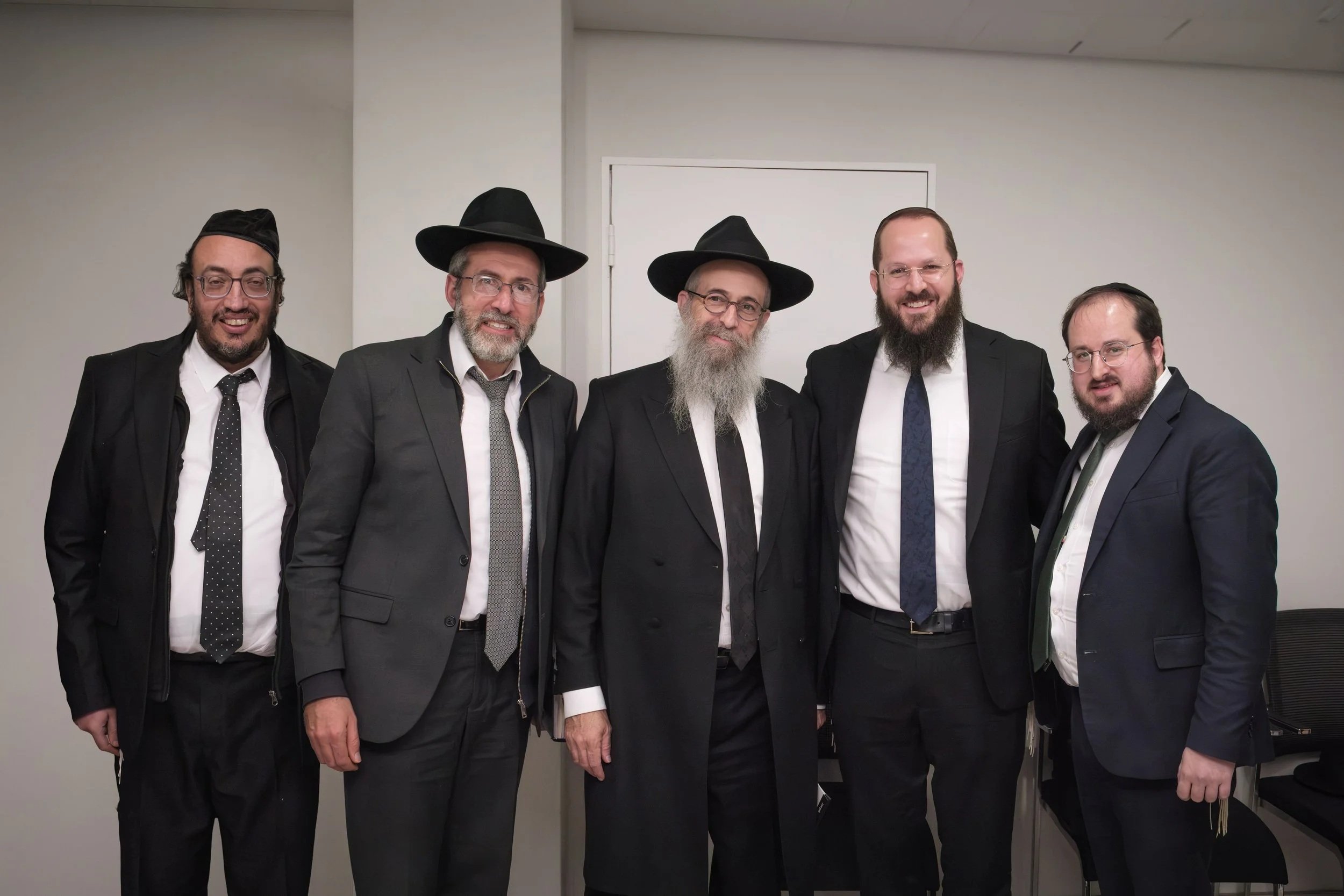
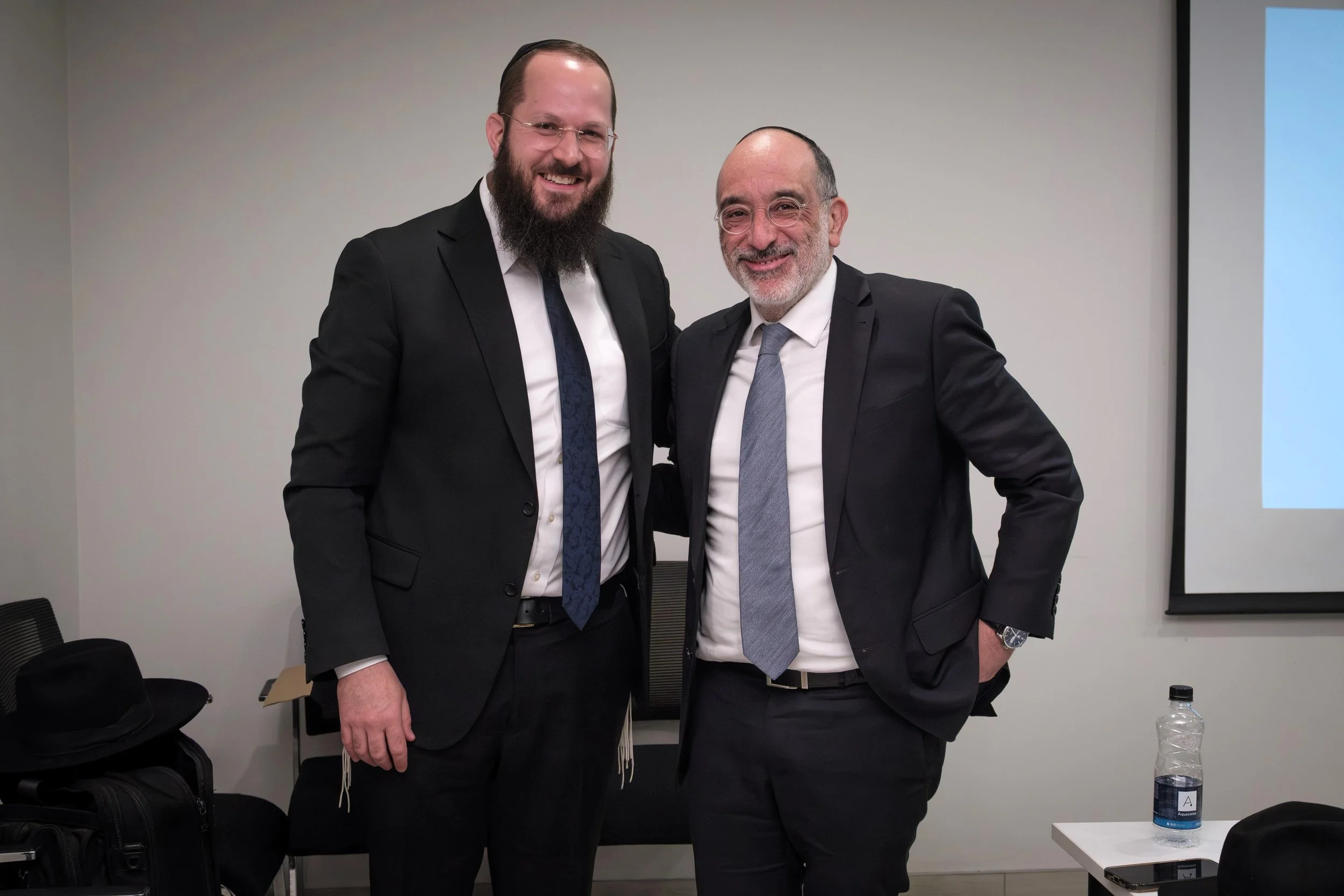
A month ago, Rabbi Lessin and Rabbi Bricker flew to Johannesburg, where they met individually with every sofer, magiah, and seller in the community, sat with the Beis Din, and met Chief Rabbi Dr. Warren Goldstein, who publicly endorsed the initiative. For Rabbi Bricker, a Johannesburg native, the trip was also a homecoming — a chance to sit face-to-face with the sofrim and magihim of the community he grew up in and begin building the relationships STAMP's work depends on.
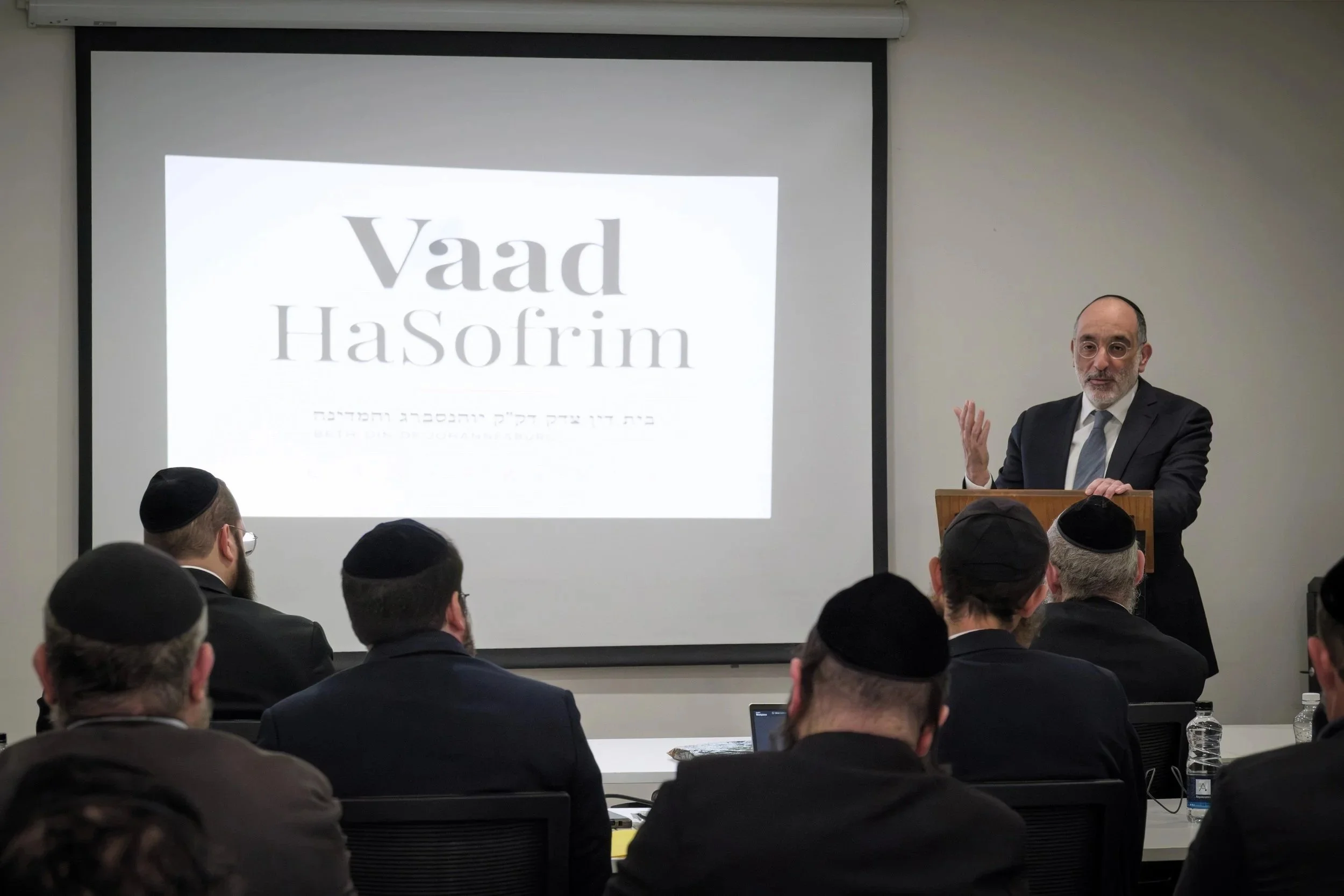
The trip closed with an event for members of the STa”M community introducing STAMP. Rabbi Lessin framed the priorities: eventual certified products for the Johannesburg, Durban, and Cape Town communities, but first, professional development, rabbinic access, and certification for local sofrim and magihim. The response from local sofrim and magihim was warm, with many expressing relief at finally having a clear path to rabbinic support and certification after years of working without it. Having seen momentum stall after past trips ended, Rabbi Lessin and Rabbi Bricker hired a local representative, Yehoshua Rueben, before leaving to keep the work moving forward between visits.
Rabbi Lessin and Rabbi Bricker plan to return once or twice a year, focused on community education — shiurim (classes), outreach to shuls, schools, and yeshivas — toward a standard where no one buys a mezuzah or tefillin without proper hashgacha and certification. For Rabbi Lessin, Johannesburg is both a milestone in its own right and a model for STAMP's broader ambitions: bringing the same oversight, training, and certification infrastructure to underserved Jewish communities around the world.