

From Practice to Impact: DEEP Convening Highlights the Power of High-Quality Professional Development in Jewish Day Schools
/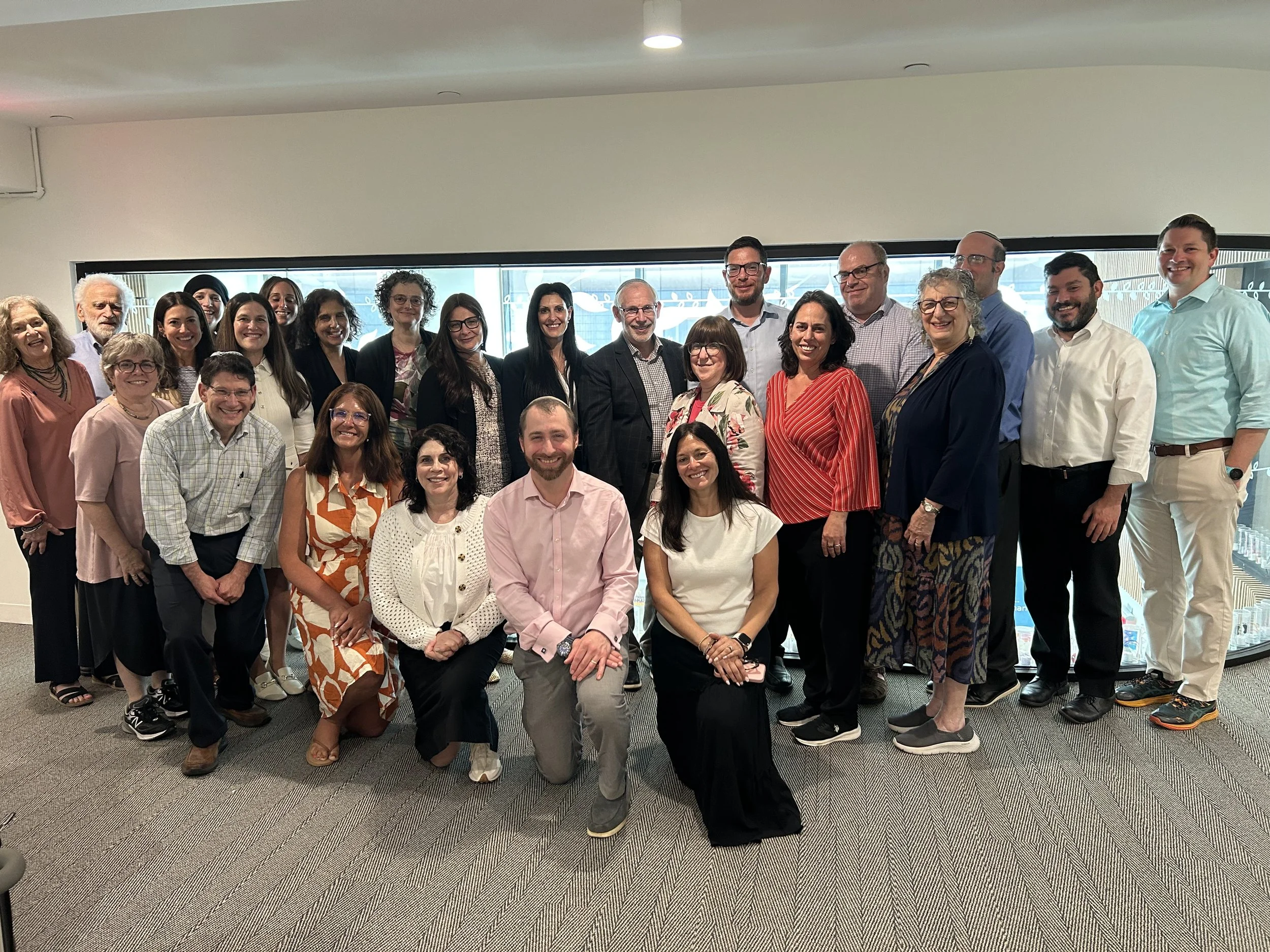
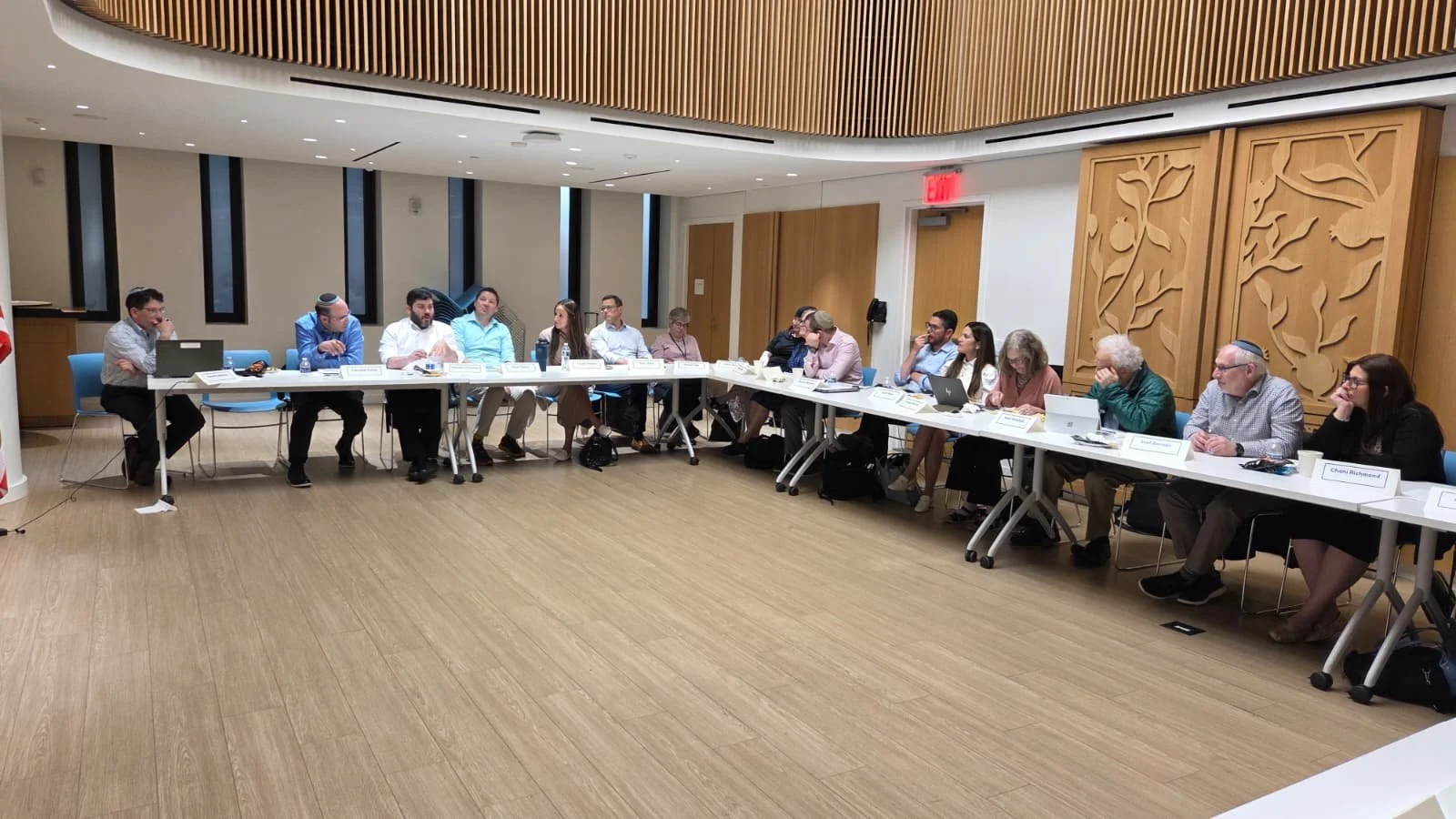
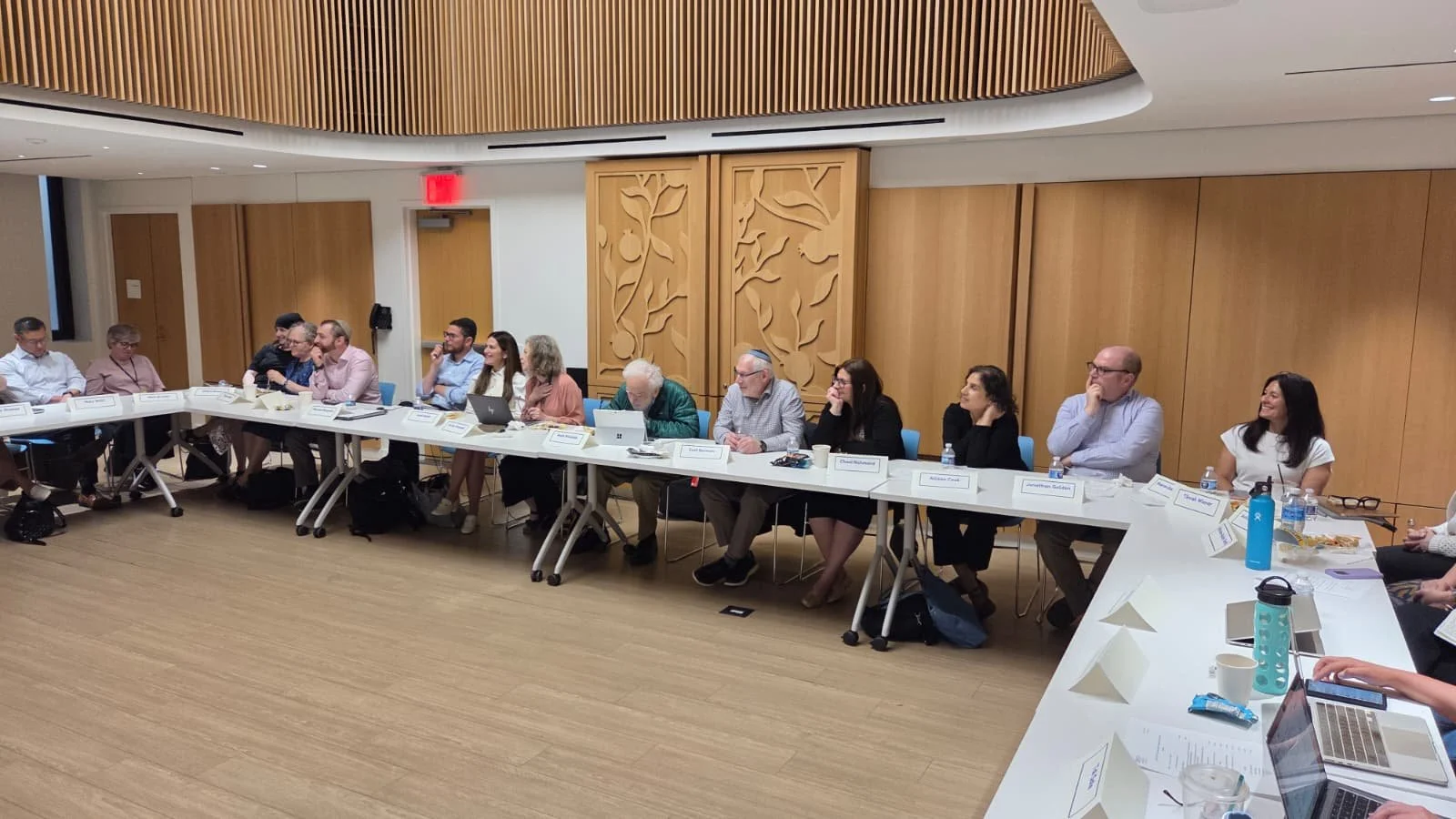
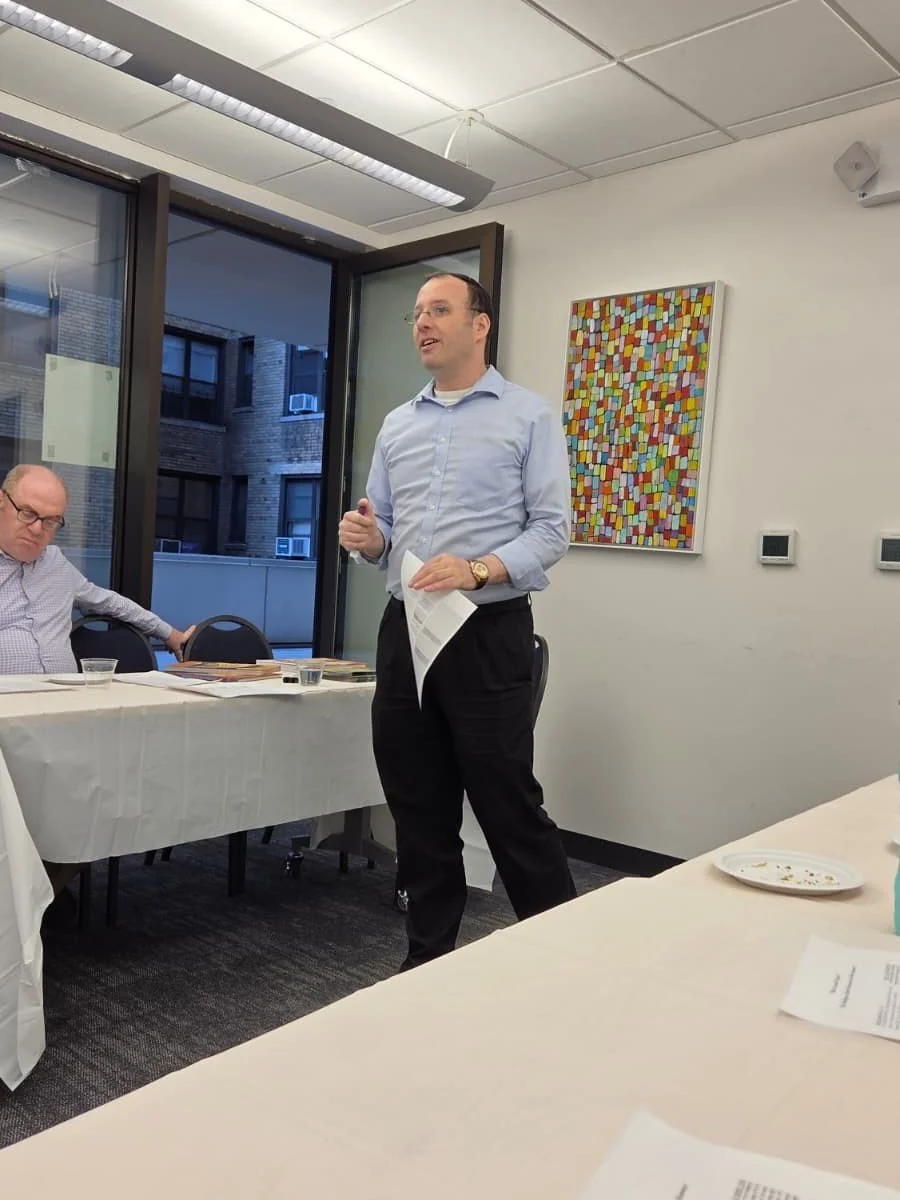
This year's DEEP Consortium annual convening set out to tackle two of the most pressing questions in the field: what it truly takes to build a culture of professional learning in schools, and how DEEP member organizations can demonstrate the impact of their work. The gathering, hosted by The Shefa School in New York City on June 8–9, brought together representatives from most of DEEP’s 25 member organizations – renowned professionals with a proven track record of delivering High-Quality Professional Development (HQPD). The convening capped a landmark season for DEEP — one that saw its launch as an independent organization and a national conference, organized by five DEEP member organizations in collaboration, focused on expanding the field's capacity to support a more diverse population of learners.
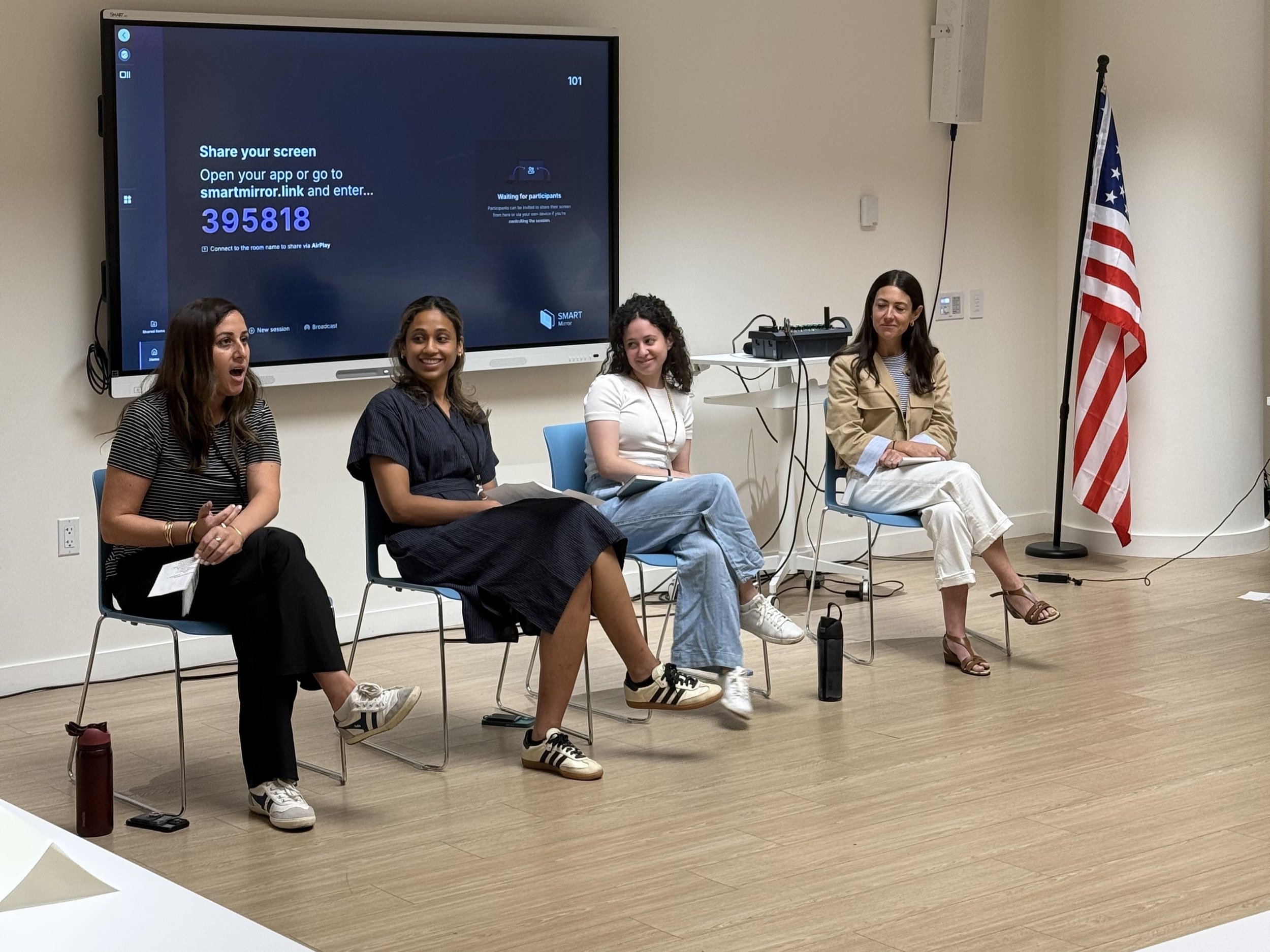
The first day’s proceedings paired real-world experience with data. After hearing from a panel of Shefa School teachers, members dug into findings from DEEP’s Concierge Desk. The lessons learned highlighted the investments and school structures required to turn high-quality professional development into a sustained reality for Jewish day schools, such as providing coaching/mentoring opportunities and facilitating faculty team meetings that specifically address instruction. The Shefa School itself served as a compelling example of an institution successfully implementing these practices, leaving a deep impression on the attendees. As one participant observed, "Professional development wasn't something they did; it was something they were;" another stated, "Shefa is professional development."
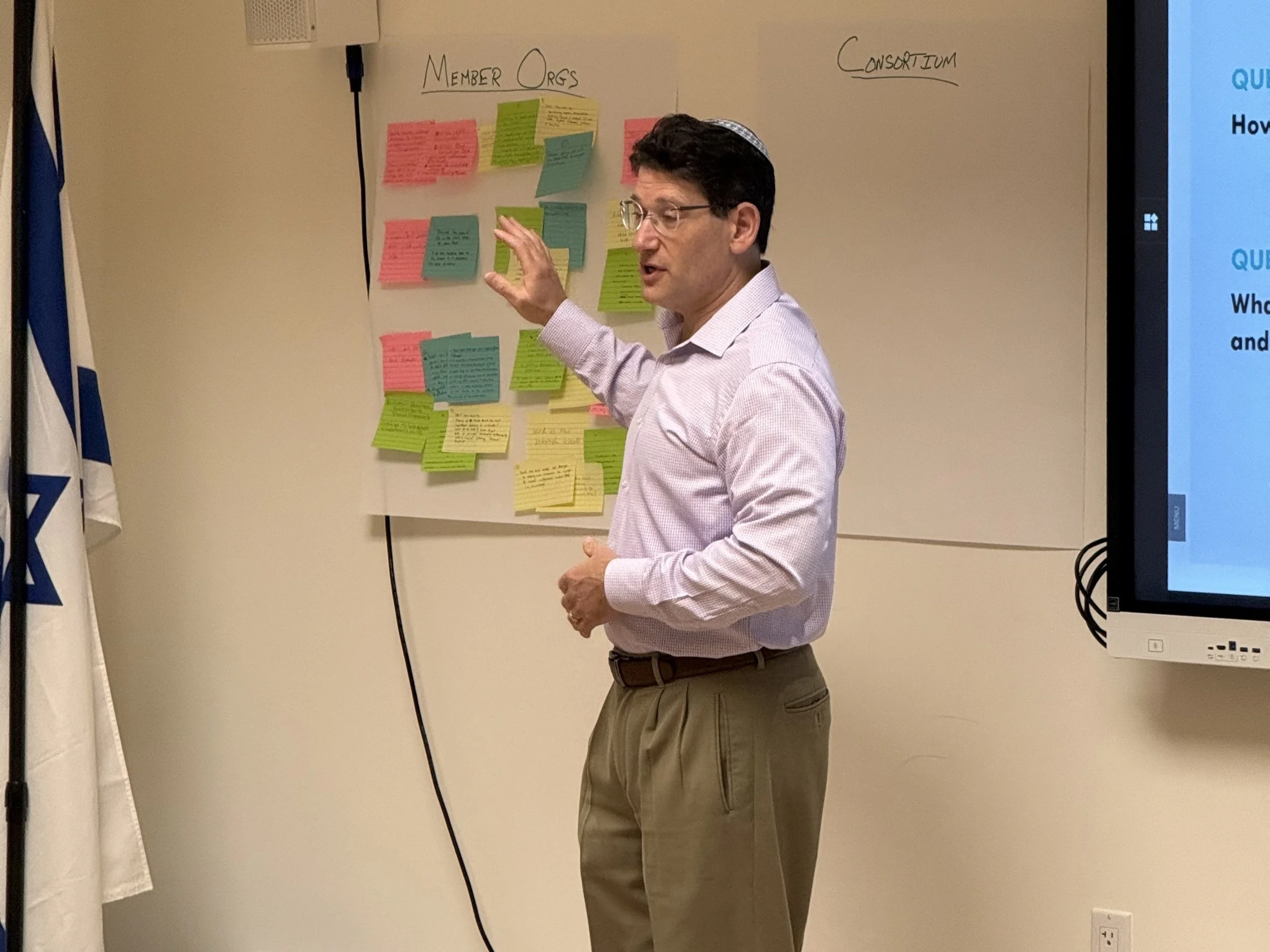
This grounded perspective led into a structured discussion, where members examined how their own work encourages educators and school leaders to foster ongoing professional learning — and challenged themselves to consider what more their organizations could do. "Our members know first-hand just how difficult it is to foster a robust culture of professional learning in a school, but they also surfaced real strategies that external providers might implement to push along this possibility," said Farbman. "And now we are going to explore how DEEP can support schools and our members to implement those strategies."
The group then recharged their batteries with an evening of learning and camaraderie hosted by the Hadar Institute. Hadar Senior Director of Content Rabbi Effy Unterman led the group through an exploration of the first section of the Zohar, which deals with how the concept of God is rooted in the act of asking questions.
The second day turned to the question of impact. Drawing on findings from member focus groups, participants examined what DEEP organizations are currently doing to evaluate their work, how they could strengthen and improve their assessments, and how the field might develop shared best practices. The convening closed with members working toward SMART (Specific, Measurable, Achievable, Relevant, and Time-bound) goals for the coming year, helping DEEP to sharpen its focus and begin to set a course for the year ahead.
As member organization GrowTorah shared on Instagram, the convening was "an inspiring space dedicated entirely to advancing HQPD," and a powerful reminder that "we need teachers who ignite wonder in our learners... that sacred work belongs to us."
The work highlighted throughout the convening reflects the collective investment of DEEP's funding partners — the Mayberg Foundation, Arnee R. and Walter A. Winshall, and UnitEd — in advancing high-quality professional development across the Jewish day school field.