

Four Generations of Yiddish, and a Day Camp to Keep It Going
/Editor’s Note: At the Mayberg Foundation, we believe shared language helps people pursue shared goals, which is part of why we invest in Hebrew. In that spirit, our colleague Naftali shares how his involvement in a Yiddish-speaking day camp carries forward a legacy his mother and grandfather helped build.
By Naftali Ejdelman, Senior Program Officer
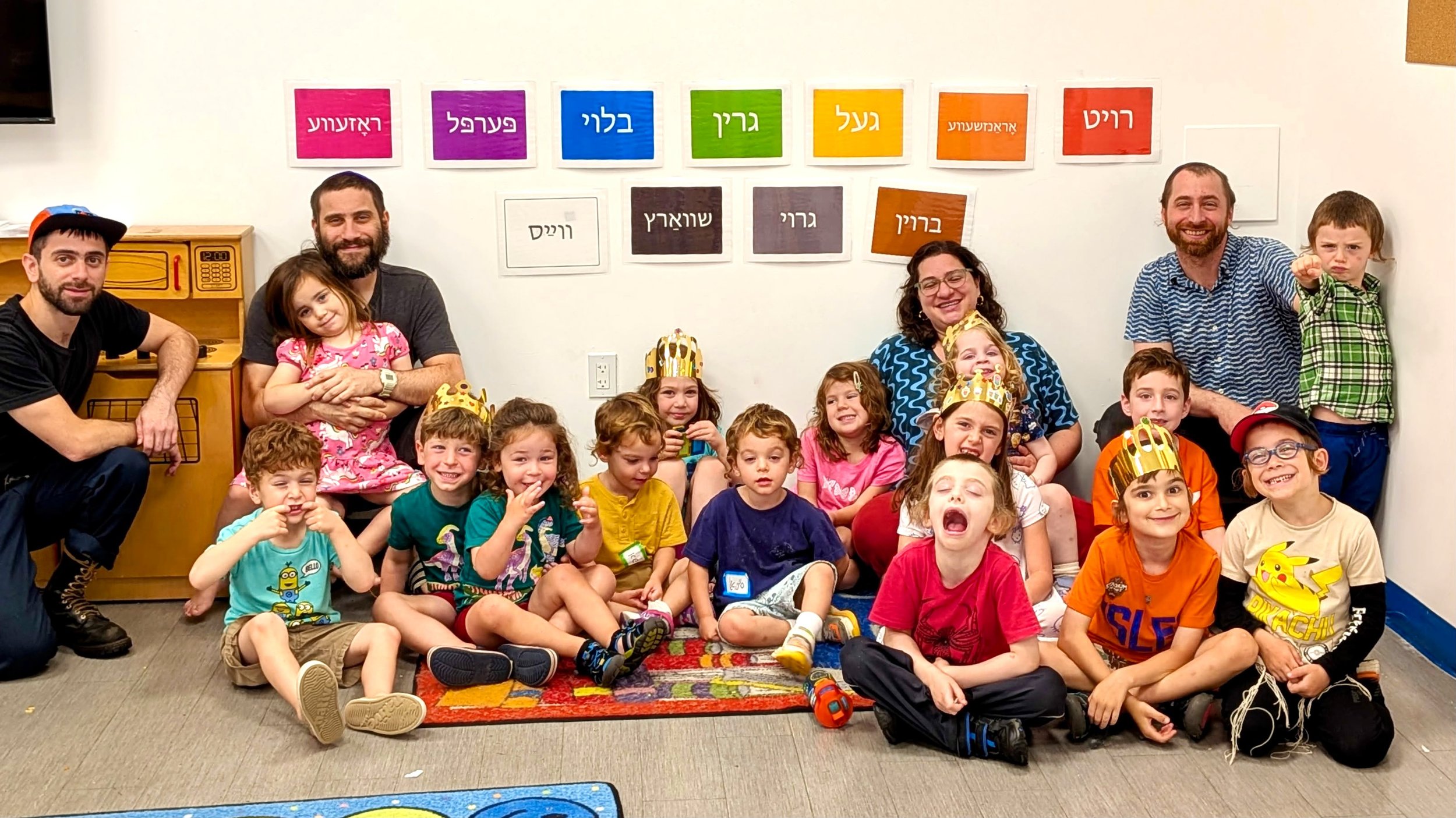
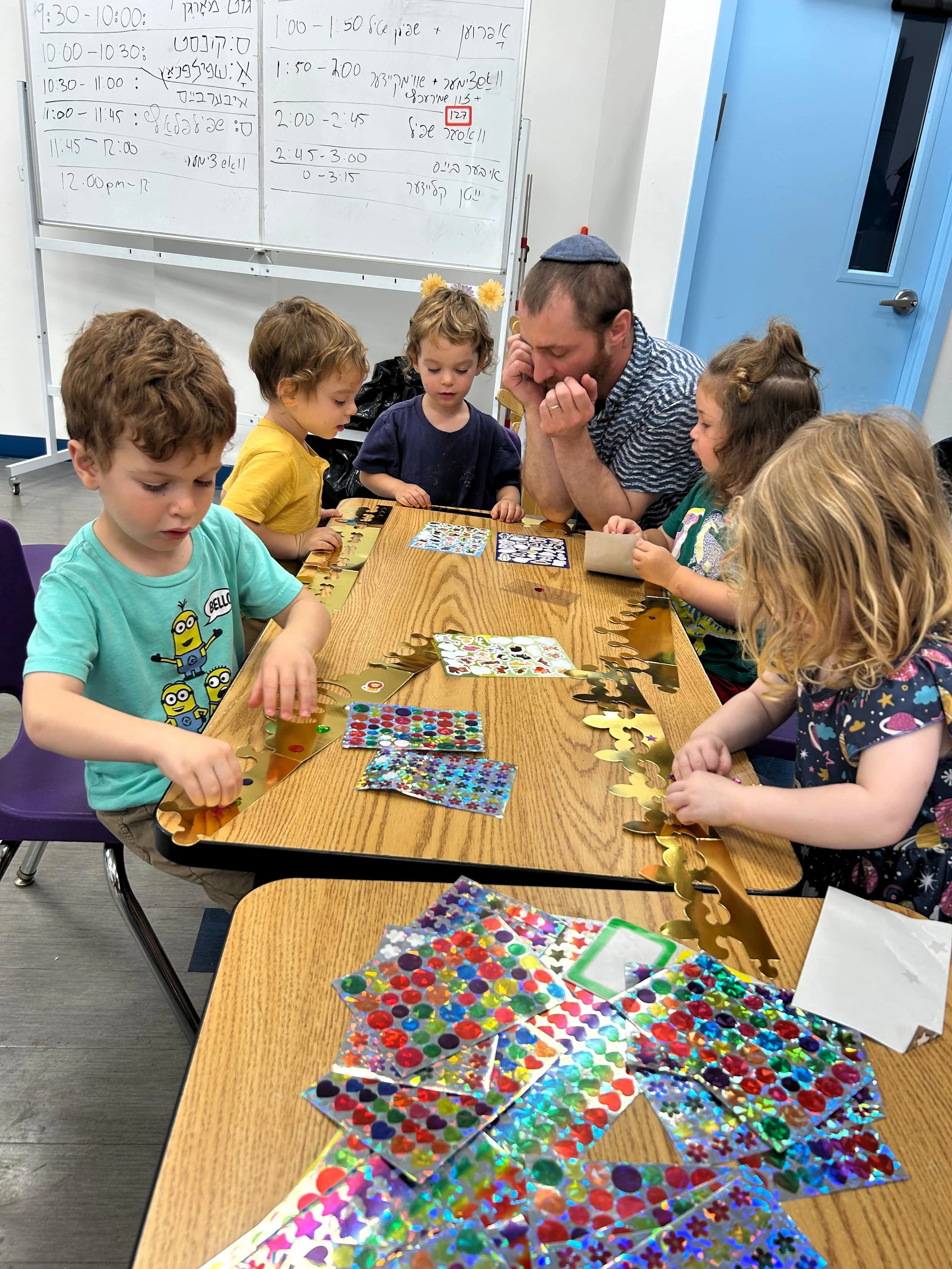
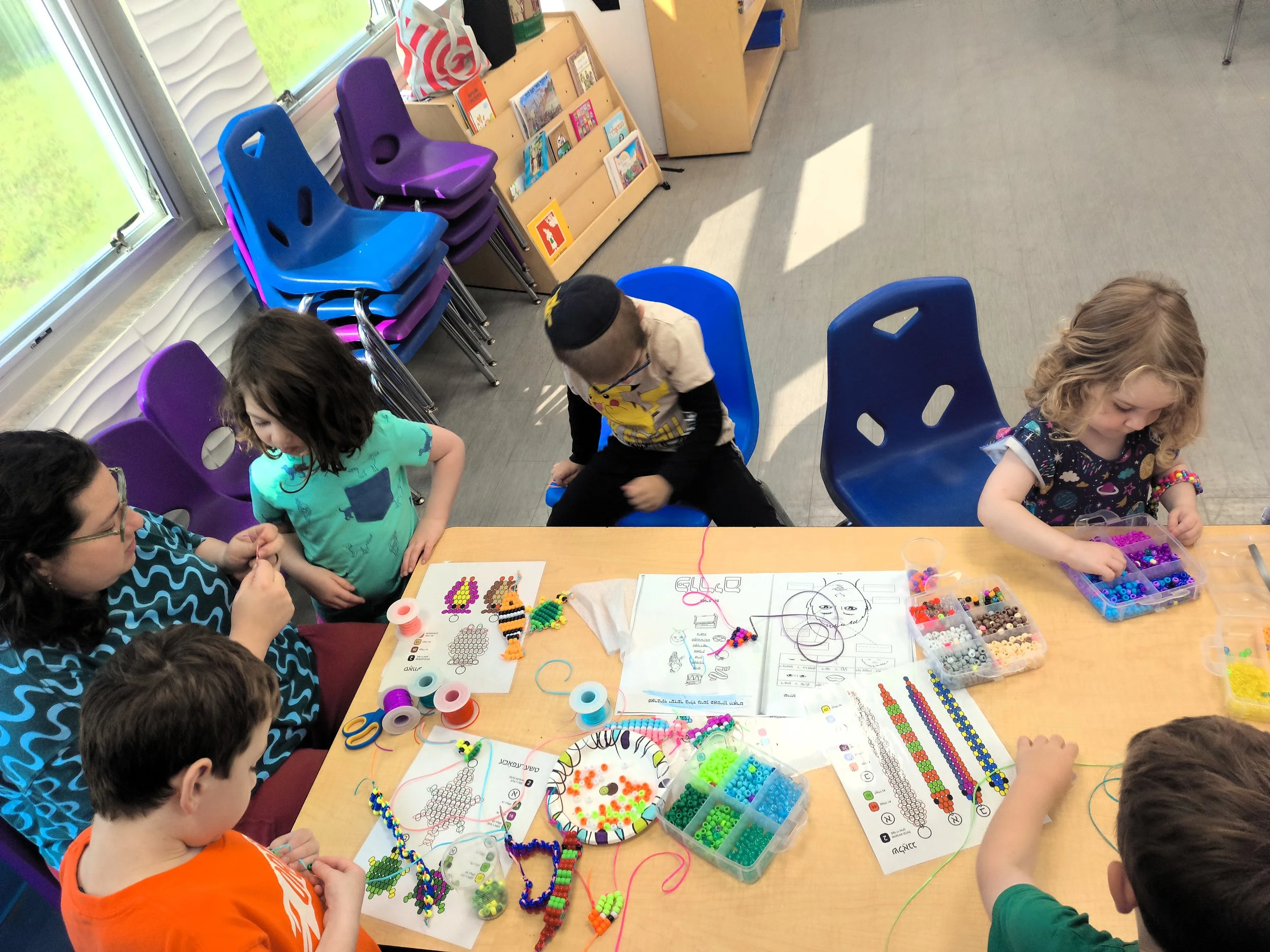
I’ve spent my career working on Jewish peoplehood, and apparently I can’t stop when the workday ends. This past summer I spent my “vacation” helping pilot Camp Enga Benga, a Yiddish language immersion day camp for children ages 3-8. When I say Yiddish immersion, I don’t just mean bilingual. I mean everything happened in Yiddish — from games and art projects to snack time and settling disagreements. The four staff members and 15 campers spoke only Yiddish, with support for anyone still building their skills. If you’re picturing a group of Hasidic boys with peyos (sidelocks) and tzitzis or girls with long skirts, you will be quite surprise. All of these children are being raised with Yiddish language at home, and they reflect the diversity of the North American Jewish community, including intermarried homes, LGBTQ families and children from across the denominational spectrum.
You might be wondering why non-Hasidic American Jewish parents are choosing to not only study Yiddish, but raise their children in the language. While each family has its own reason, my personal history may provide some context. I grew up secular, but Yiddish was my first language and the primary language of my family. I was also raised to see keeping Yiddish alive as my responsibility. My grandfather, Dr. Mordkhe Schaechter, was a Yiddish linguist who spent his career studying, standardizing, and teaching the language, and my mother, Rukhl Schaechter, the Yiddish/Forverts editor, has spent her whole career as a Yiddish teacher, writer and journalist. I started teaching Yiddish to my peers at age 16, co-founded Yiddish Farm (an immersion program on an organic farm in Goshen, NY) in my 20s, and ran a Yiddish preschool in my 30s. Today I speak Yiddish with my own three children, and I expect them to speak Yiddish among themselves. Yiddish is my most direct link to the generations before me, and I want my children to have that link as a language they live in, not a subject they study.
One of the unique qualities of Yiddish is the fact that Jewish values are built into the language itself. For example: while a secular book is called a bukh in Yiddish, the word seyfer, (the Hebrew word for book), specifically refers to a sacred text (this has also made its way into “Jewish English”). Similarly, while a melamed is a teacher of Judaic studies, a lerer is a teacher of general studies. The word nachas, which describes the specific emotion that parents or teachers feel when their children or students succeed, doesn’t exist in any other language besides Yiddish. When wishing someone a long life, we say, “Biz hundert un tzvantzig,” until 120, the age of Moshe Rabbeinu (this has been adopted into modern Hebrew, “Ad me’ah ve’esrim”). I could go on and on. A child who grows up speaking Yiddish absorbs Jewish wisdom and values long before opening a seyfer.
Yiddish has given me unique access to my family heritage. I have read my great-grandmother’s memoirs, my grandfather’s essays and countless other family letters in the original and I sing my great-aunt’s Yiddish songs to my children. Like me, many other Yiddish enthusiasts see Yiddish as a gateway to the past. However, the language may also become increasingly practical in the future, thanks to the high birthrates among Yiddish-speaking Hasidic communities. According to the Migration Policy Institute, a think tank that analyzes demographic data across the USA, Yiddish is now the third most common language spoken among children under age six in New York State (after English and Spanish). The share of the Jewish community that speaks Yiddish is projected to continue increasing exponentially in the coming decades. As a Jewish communal professional helping to support the North American Jewish community, I see Yiddish proficiency as a professionally relevant skill and as a vehicle for deepening ahavas Yisrael.
I have great admiration for families who are trying to raise their children speaking Yiddish, especially those who did not grow up with the language themselves and do not live in a community with Yiddish speaking peers for their children. Enga Benga, which is named after the first two nonsense rhyme words of a traditional Yiddish version of “hot potato,” is designed to create a community that playfully connects diverse Jewish families to each other, to Jewish wisdom and to a growing sector of the Jewish community. Learning Yiddish is a powerful way for Jews to enrich their Jewish identity and can be particularly helpful for Jewish communal professionals passionate about building the Jewish future. If you would like to explore Yiddish literature, music, or grammar, I’d love to hear from you. Contact me at naftali@mayberg.org.