

Seeing the Possibilities for Israel's Future
/By Hanan Rubin, Director of Israel Strategy, and Zohar Hahn-Brafman, Program Officer, Israel
There is a difference between discussing a strategy and experiencing it firsthand. On November 8, the Mayberg Foundation’s Israel team traveled north with Rising Trustee Yacova Mayberg Margolis, representing the Israel Committee, as part of a learning journey in which the Foundation is listening to the leaders and organizations who may become partners in this work. The day that gave tangible expression to two areas of the Foundation's Israel strategy: Restoring Strategic Frontiers and From Trauma to Growth. Restoring Strategic Frontiers aims to transform Israel's strategic frontiers into thriving places to live, advancing Zionism and strengthening national security and governance, while narrowing gaps between the periphery and the center of Israel. From Trauma to Growth focuses on the people most severely impacted by the war, channeling their potential into leadership and creation as they rebuild their lives. Through encounters with local leaders, residents, and bereaved mothers, the strategy could be seen and felt in the lives of the people at its heart.
A Region Led from Within
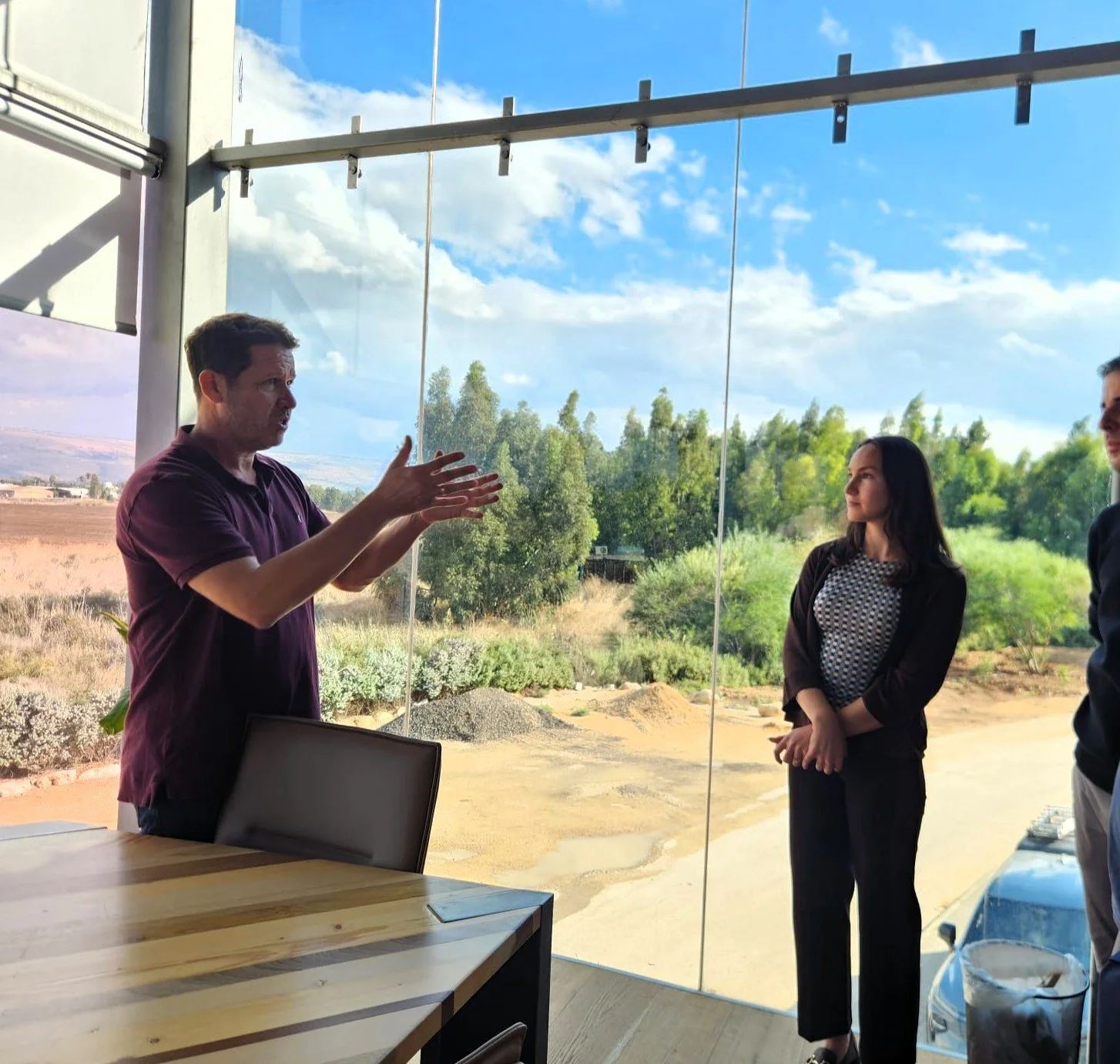
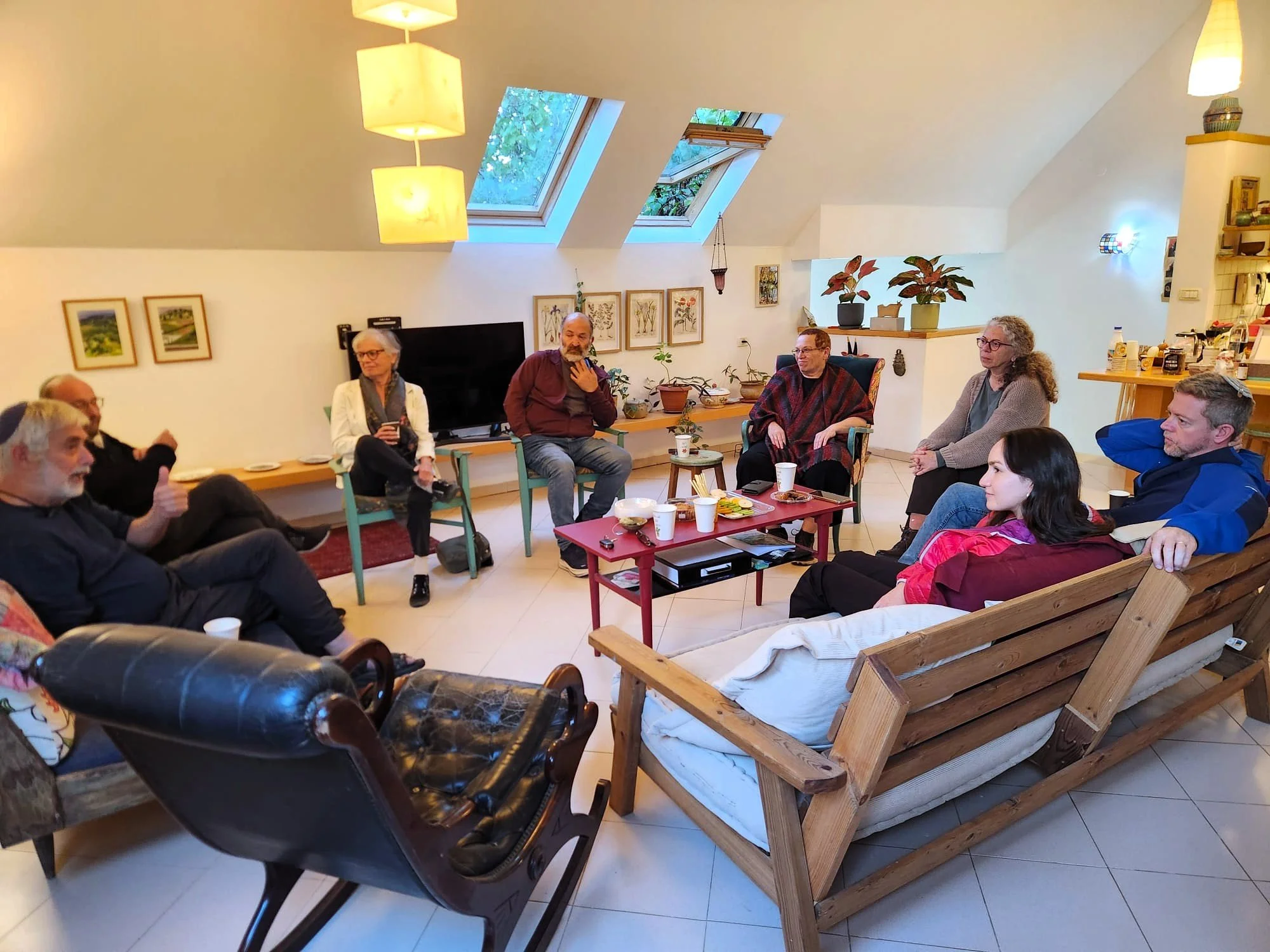
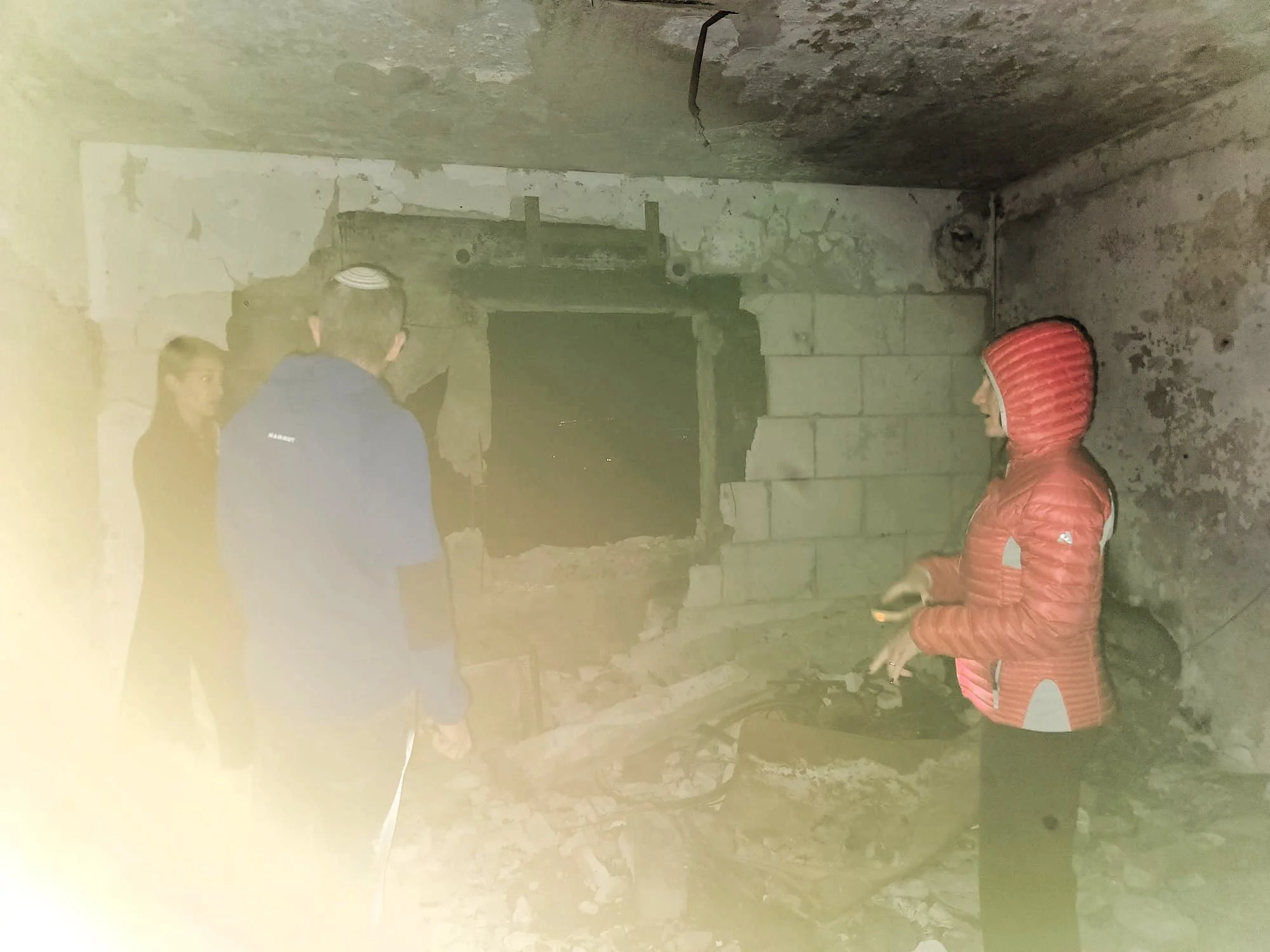
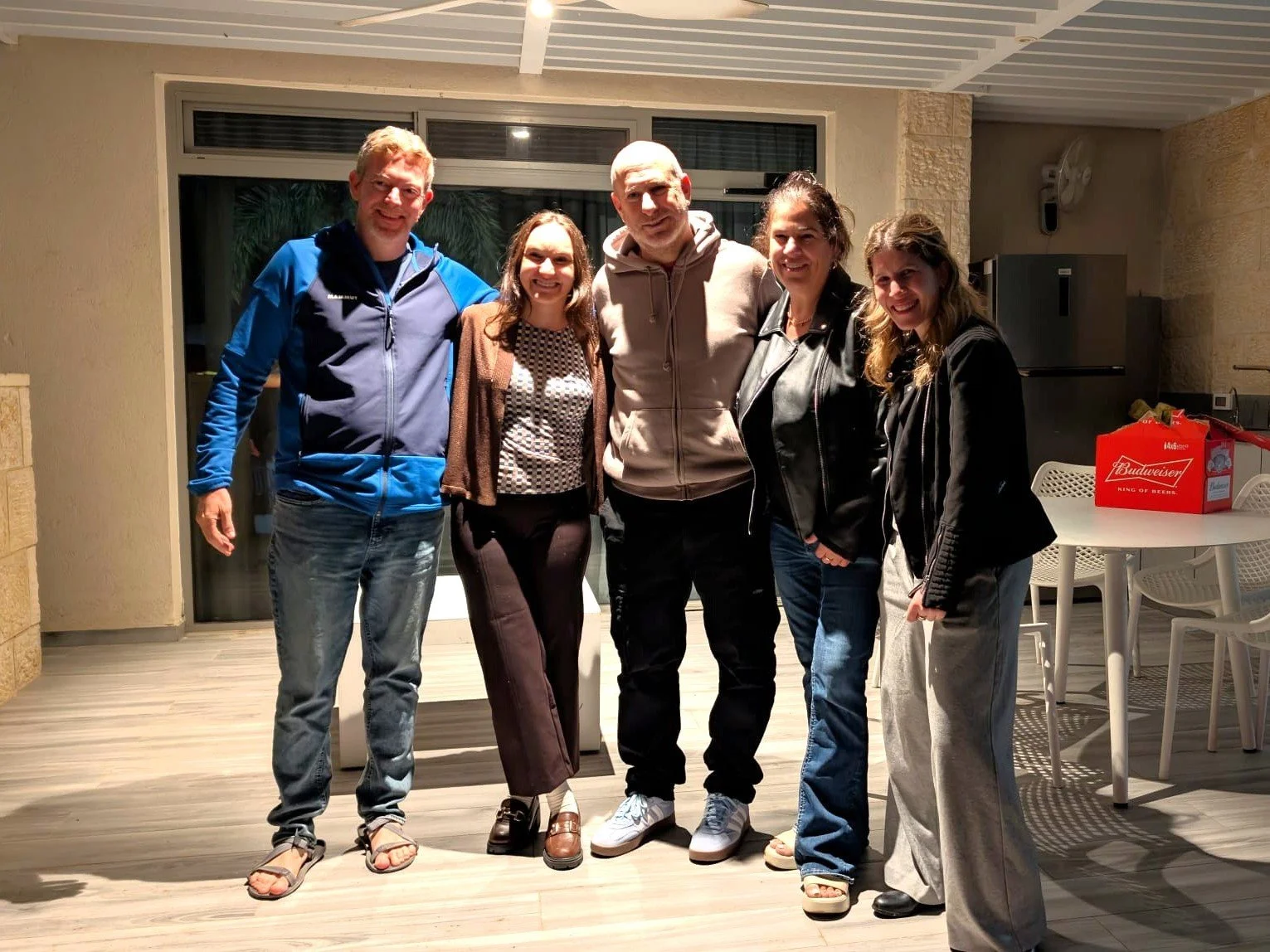
Conversations in the frontier regions carried a strong sense of pioneering responsibility. Communities see themselves as Israel's protective vest, and view the region's prosperity as inseparable from the future of the Jewish people and the security of the State of Israel.
At Homeward/Habaita, that responsibility takes the form of regional action led by Galilee residents themselves. At their hub, overlooking Agamon Hula, the team saw regional thinking take tangible form: a place that brings together work, entrepreneurship and creativity, and attracts new people and talent. The conversation about education, skilled professionals and employment belonged to the same wider picture: what needs to come together for people to build their lives in the Galilee and for the whole region to thrive. What stood out was the driving force from within, from people whose home it is and who see themselves as responsible for its future.
The same questions were at the center of “Building the Future of Israel’s North,” a session at the Jewish Federations of North America’s General Assembly attended by Rising Trustee David Mayberg, Executive Director Todd Sukol, and Director of Marketing and Communications Rina Schiff. Homeward/Habaita Chairperson Izhar Armony joined leaders from the Golan Regional Council, the Tkuma Directorate, JDC, and the Jewish Agency to discuss how communities, government, and philanthropy can work together to build a region where residents imagine a thriving future.
The meeting with Anu Banu, an initiative that brings retirees to live in Israel’s peripheral communities, where they use their skills and life experience to help meet local needs, offered another perspective on who can help shape that future. Some chose to stay and make these communities their permanent homes, showing how contributing to a community can become a lasting connection to a place, beyond what anyone initially expected.
In Kibbutz Menara, a local resident showed the team the severe damage left by the war and spoke about the difficulty of bringing people home. She described how Totzeret HaAretz, which builds communities of young people and families in Israel’s geographic and social periphery, from student groups to long-term settlement, is helping the kibbutz welcome newcomers. She spoke about the complexity of integrating them into an established kibbutz and about the contribution she sees them making to its future.
An Evening of Writing, Music, and Laughter
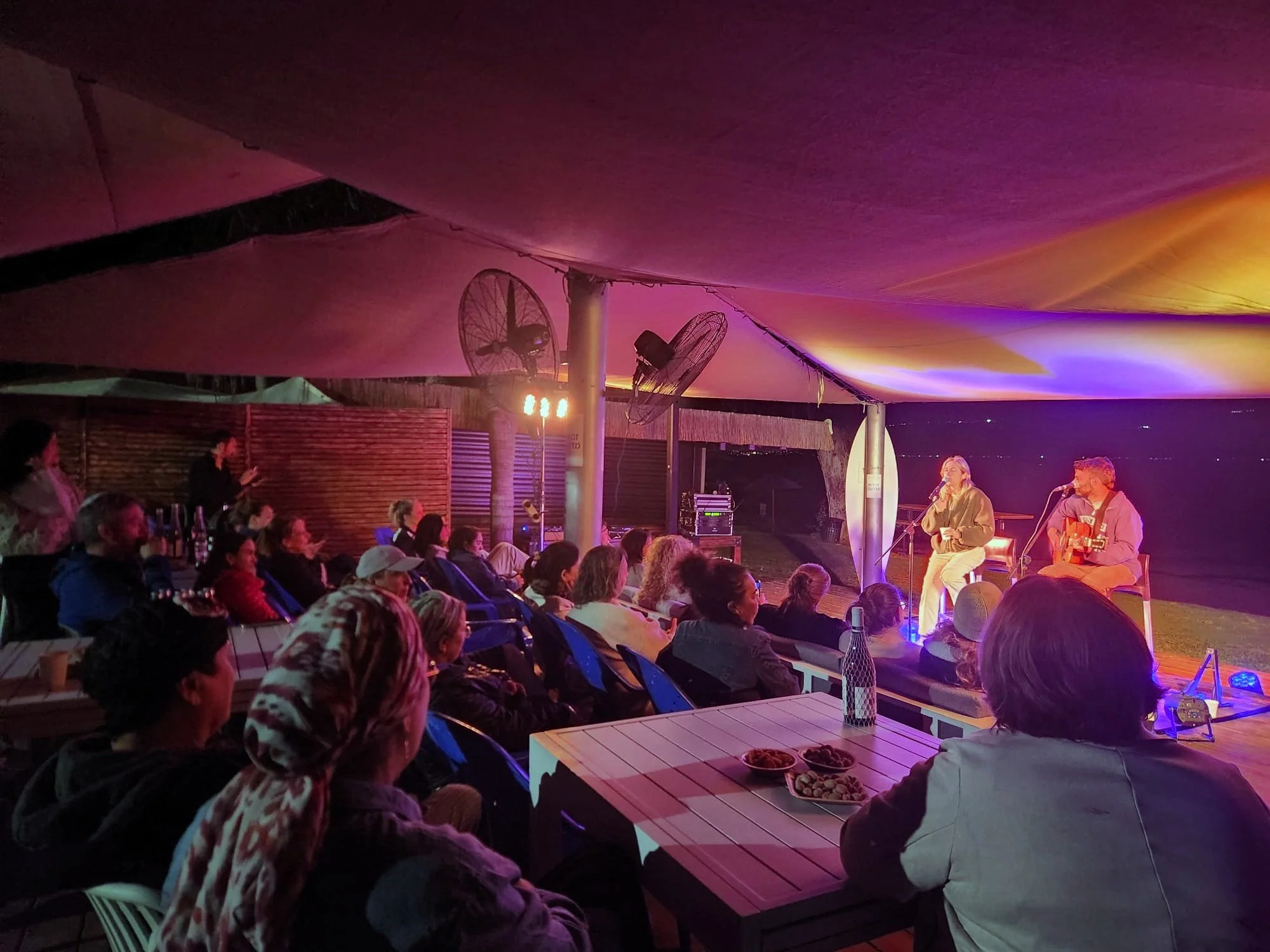
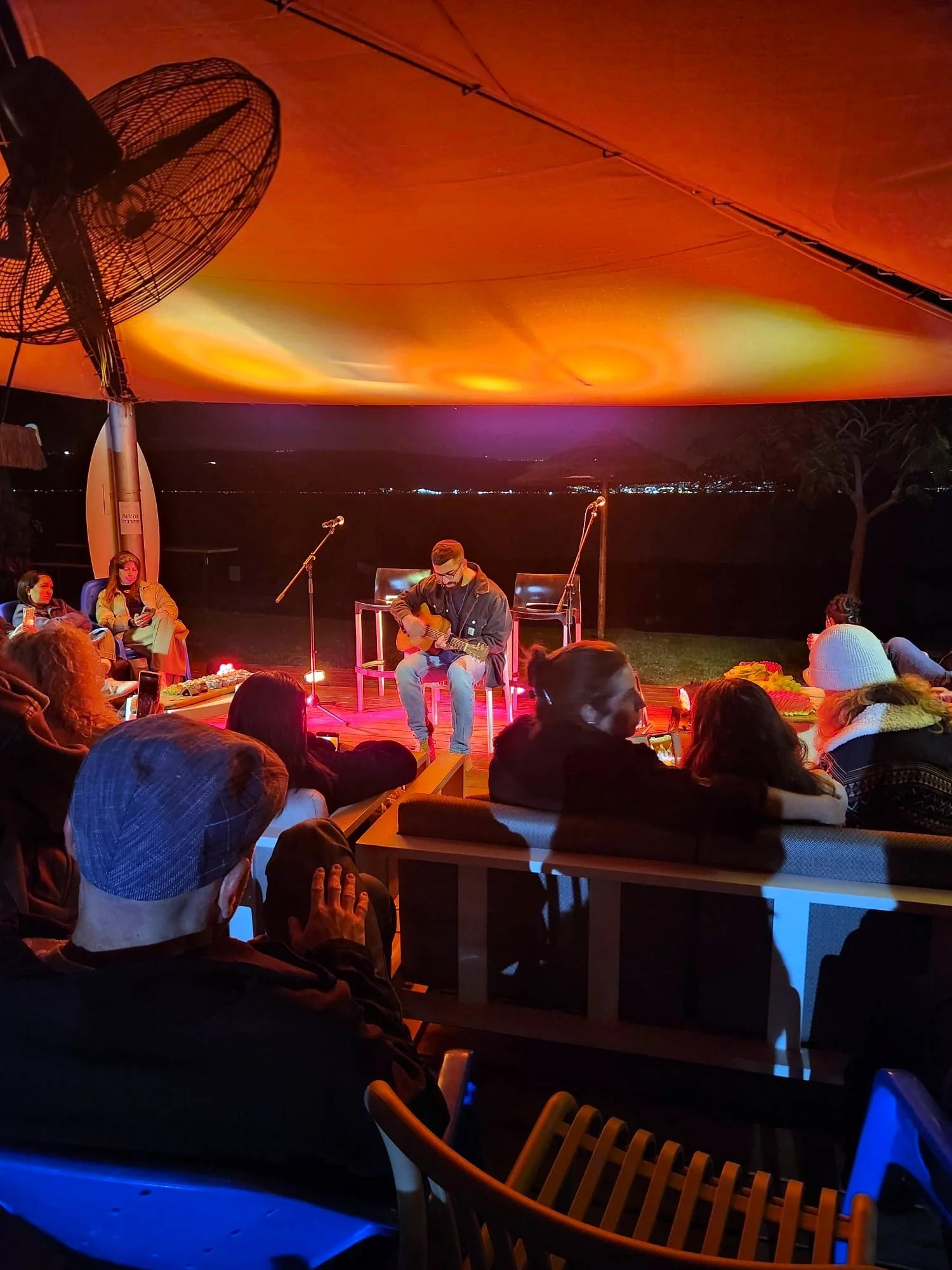
The evening brought the team into a different area of the strategy: From Trauma to Growth. Hamal Daum holds writing and creativity retreats that give widows and bereaved mothers space to express their experiences and tell their stories in their own words. Many such retreats have already taken place, and several participants have published books. The team joined the quieter part of the evening, where the mothers also spoke about the close, personal support they receive. Their accounts held growth alongside grief, and laughter alongside pain.
Hanoch Daum, one of Israel’s best-known comedians and authors, devotes himself and his wide network to serving people affected by the war. The evening showed what his position makes possible. Hanan Ben Ari, one of Israel’s most sought-after singers, performed for three hours, entirely as a volunteer, and Doron Talmon, lead singer of Jane Bordeaux, also joined as a volunteer. The mothers spoke of the authenticity and humor Hanoch brings, acknowledging their pain while making room for laughter and growth. Mothers handed Hanan lyrics and notes written by their fallen children, and he composed melodies on the spot. Singing, tears, and laughter filled the room, a moment the team experienced as a glimpse of Geulah (redemption). Hanoch Daum shared his own reflections on the retreat in this moving Facebook post.
For Yacova, the day made clear the value of meeting organizations in their own setting:
"Visiting with the organizations in person gave me a deeper perspective and angle of the work they are doing than I could have ever gotten through remote meetings. When seeing them in action, and meeting them in their element, there are certain questions that don’t need to be asked because they can be felt and seen. I left the day feeling like I have a deeper clarity of our strategy and where we can invest to have the greatest impact on Israel."
The visit brought to life the strategy we developed through our learning in the field and gave us a concrete picture of both areas as we consider recommendations for future Foundation funding. We are grateful to the leaders, residents, and mothers who welcomed us and taught us so much.