

Clarity Is Kavod: Reflections from Kerem’s Rising in Philanthropy Retreat
/By Rob Levine, Managing Director of Operations
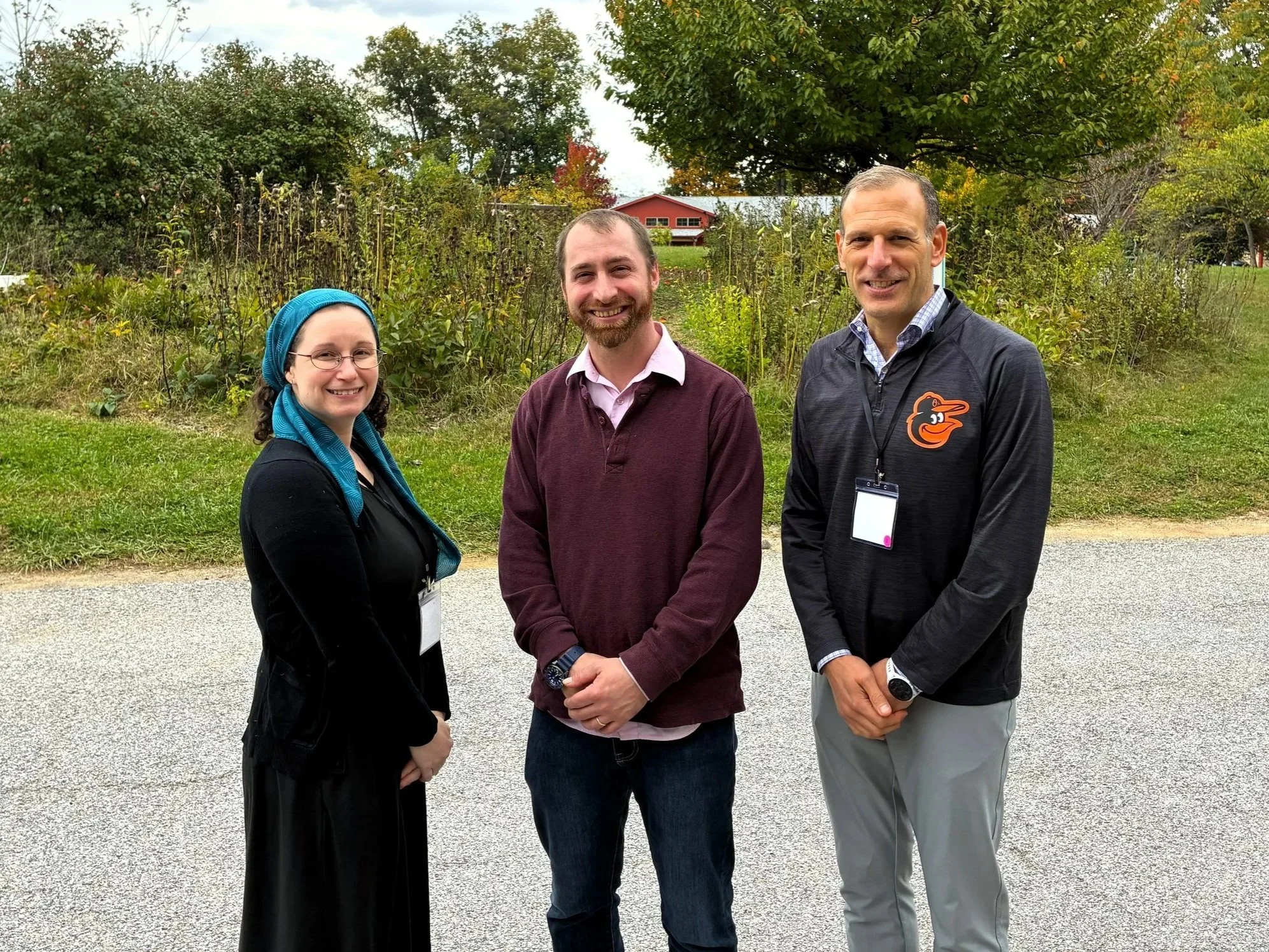
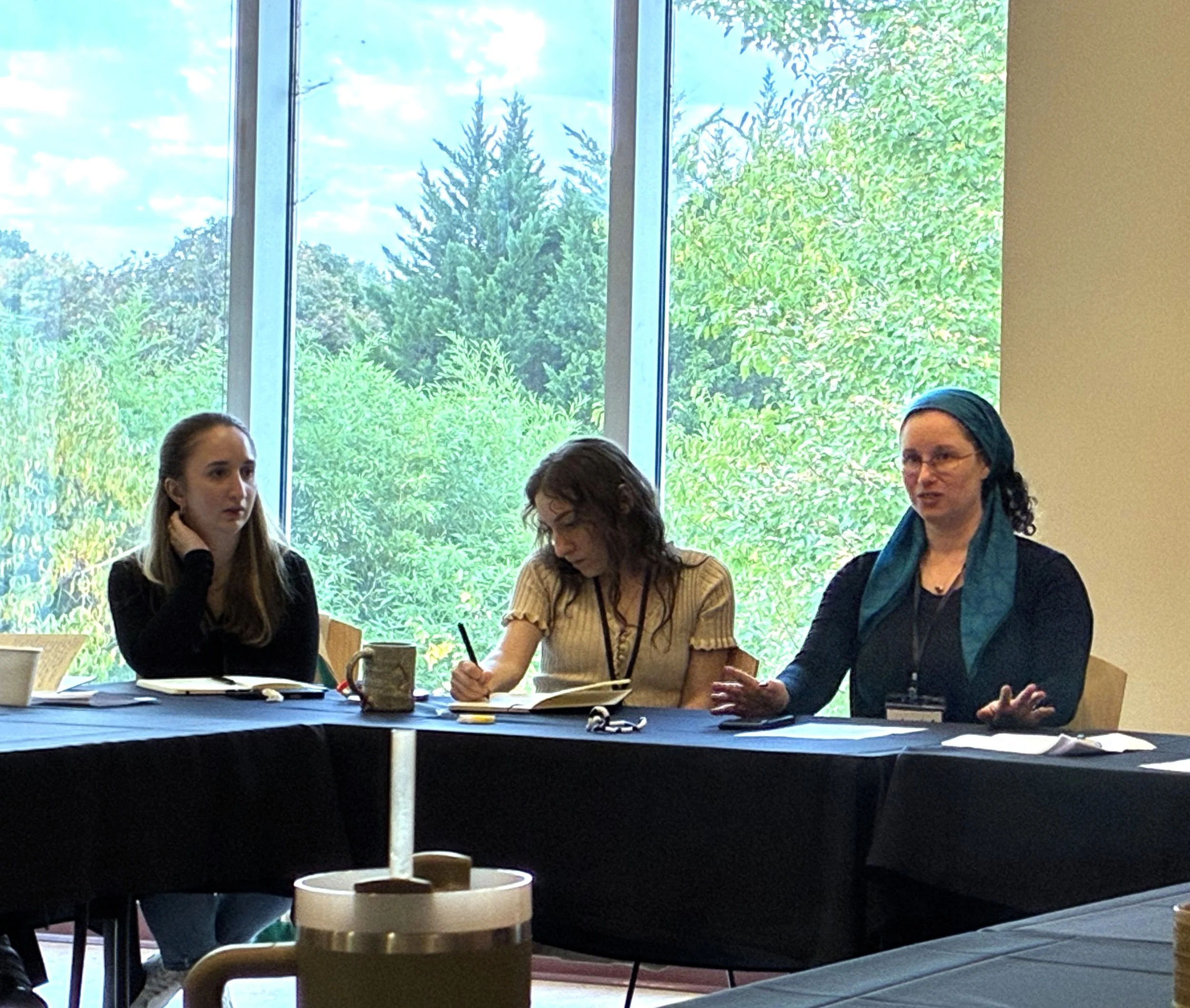
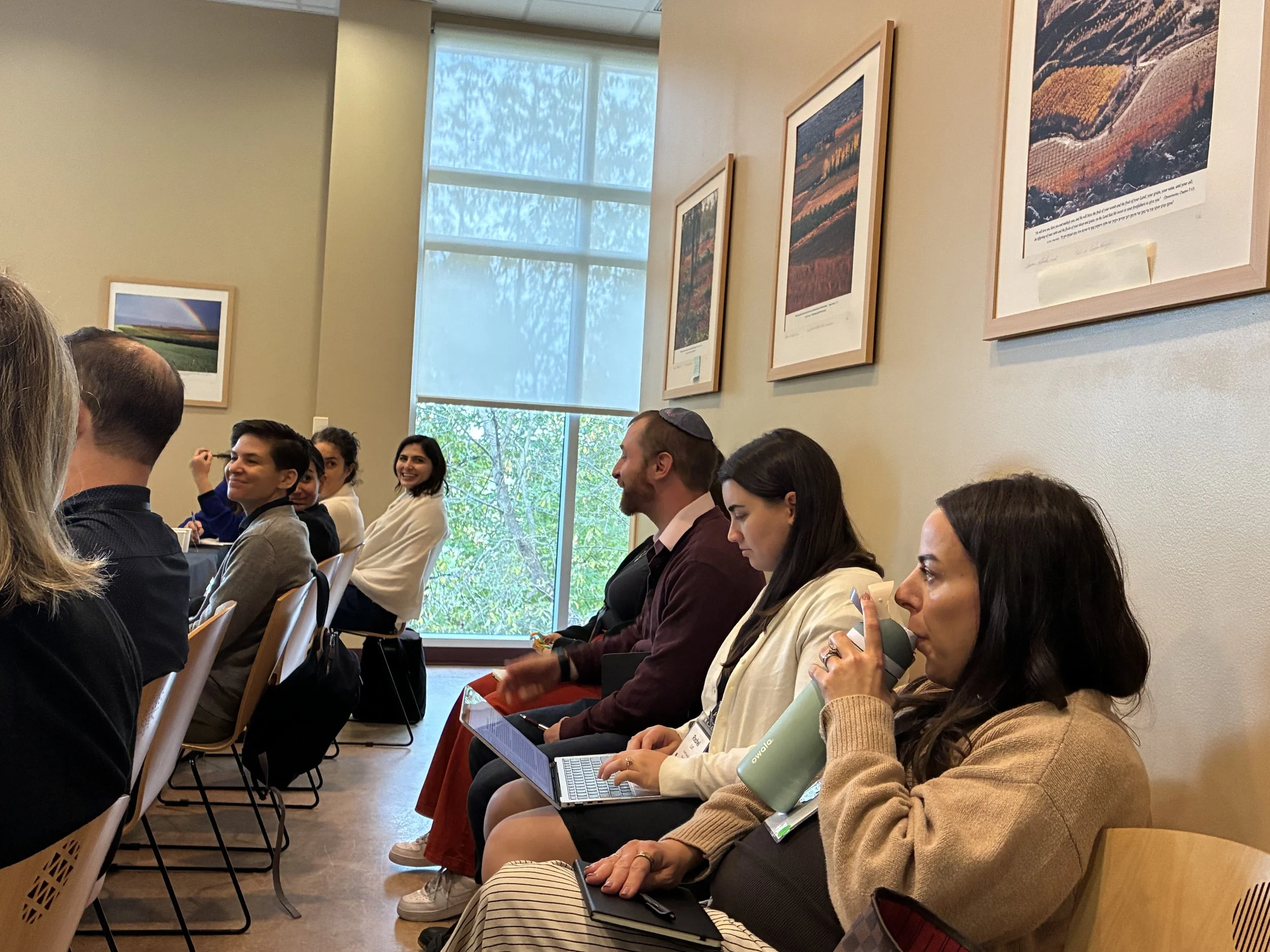
My wife went to Camp Milldale as a kid, on the land that is now Pearlstone. Last week I finally followed her there, a few decades late and without the lanyard, for Kerem’s Rising in Philanthropy retreat. My colleague, Mayberg Foundation Senior Program Officer Naftali Ejdelman, came along as a fellow participant. Our own Amanda Mizrahi, Mayberg’s managing director, was there as faculty and as a member of Kerem’s steering committee. Watching her co-facilitate two workshops, “Navigating Personal + Professional Boundaries” and “Career Growth in the Foundation Space,” was one of the real gifts of the three days. Seeing a room full of peers from across the country lean in and take notes while she shared it was a beautiful thing.
I’ve spent years on the volunteer side of Jewish communal life, but this is my first professional role in Jewish philanthropy after 23 years at a marketing agency. So I arrived as the new kid, notebook open, quietly hoping nobody would ask me to define “capacity building.”
The theme I heard most was “power.” Funders hold it whether we intend to or not, and grantees feel it in every email we send and every report we request. The best people in the room work hard to close that distance and sit on the same side of the table as their partners, treating them with kavod. One phrase has stuck with me: clarity is kavod. A clear timeline or a clear answer, even when the answer is no, is a form of respect. From my seat in operations, that is a practical charge. Our processes either honor the people doing the work or quietly tax them.
In my first week, Todd suggested I read Payton and Moody’s Understanding Philanthropy, and the retreat kept echoing its message. One idea hit hard: philanthropy has no built-in signal like profit or votes to tell us whether we’re succeeding. At my old agency, the P&L landed on the third Thursday of every month and set my intentions for the next thirty days. Here, nothing arrives on its own. We have to build that discipline ourselves, with a few shared measures that tie back to the strategy we started with and room for each program to show what makes it distinct.
The retreat was also honest about a tension between risk and rigor. We want grantees to be entrepreneurial and to take smart risks, and we also want good processes. Payton and Moody note that foundations are often criticized for being unwilling to bet on new ideas. Our Mayberg Venture Programs (MVPs), formerly known as operating programs, and our value of Entrepreneurial Philanthropy are a direct answer to that. The authors add that anyone trying to make the world better needs a lot of humility, because things go wrong. The Wednesday evening session, “Everybody Makes Mistakes,” made the same point with more laughter. I take it as a reason to measure carefully without letting measurement crowd out the bets worth making.
And yes, there was Jewish geography. Over a meal I reconnected with a Wash U classmate who is a year into her role as chief of staff at the Lippman Kanfer Foundation for Living Torah, also arriving from a different field. We agreed to be thought partners going forward.
I left with a clearer sense of my job. It is to make it easier for my colleagues to fund well and govern well, so our grantees can get on with their important work, and to make sure every partnership we touch, including the ones we decline, feels genuinely welcomed. If I do that right, you’ll hear a lot more in these pages about our grantees than about us.